
The Ultimate Blockchain Layer 2 Guide
As blockchain technology continues to evolve, scalability remains one of the most pressing issues in the industry. Enter Layer 2 solutions, which have risen to prominence as they offer promising ways to enhance transaction speeds and reduce costs on major blockchain networks like Ethereum.
In this guide, we’ll delve into all the nuances surrounding Blockchain Layer 2, including its significance, use cases, and the best practices for implementation. Statistics show that more than 60% of Ethereum transactions are processed via Layer 2 protocols, underscoring their growing importance.
Understanding Blockchain Layer 2 Solutions
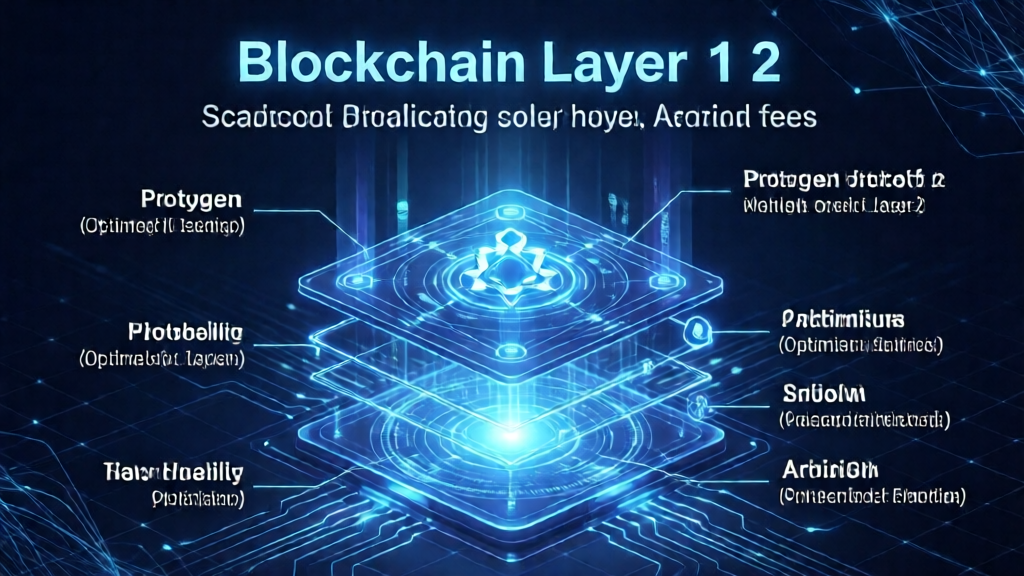
Layer 2 refers to the collection of solutions built on top of a blockchain (Layer 1) that allows for greater scalability and efficiency. These solutions work by processing transactions off the main blockchain, alleviating congestion and lowering fees.
How Does Layer 2 Work?
Here’s the catch: Layer 2 solutions leverage the existing protocols of Layer 1 while creating a secondary framework for transactions. This means that while the main chain handles the security and data structure, Layer 2 can focus on processing many transactions in a faster and cheaper manner.
Key Benefits of Layer 2 Solutions
- Improved Scalability: Layer 2 can handle a higher number of transactions per second compared to Layer 1.
- Reduced Fees: Users save significantly on transaction costs.
- Instant Transactions: Transactions processed on Layer 2 are often completed in seconds.
- Enhanced Privacy: Some Layer 2 solutions offer enhanced privacy options.
Popular Layer 2 Protocols
Several Layer 2 solutions have gained traction in the cryptocurrency world. Let’s break it down with a look at a few of the most popular:
1. Polygon (MATIC)
Polygon transforms Ethereum into a multi-chain system, making it an attractive option for developers. With over 1,000 dApps running on its network, it has shown the capacity for high throughput.
2. Optimism
Optimism uses optimistic rollups, a technology that bundles multiple transactions into a single batch for efficiency. Research indicates that Optimism users experience up to 10x faster transactions than on the Ethereum mainnet.
3. Arbitrum
Arbitrum has gained popularity due to its ability to reduce gas fees and transaction times, making it a viable choice for developers and users in need of speed without sacrificing Ethereum’s security.
Practical Use Cases for Blockchain Layer 2
Layer 2 solutions are being applied in various sectors, proving their versatility and effectiveness. Here are a few notable use cases:
- Decentralized Finance (DeFi): Layer 2 helps DeFi projects scale their operations without stressing the Ethereum network.
- Gaming: With rapid transactions, gamers can enjoy quick trades and minimal fees—vital for a seamless experience.
- Supply Chain Management: Tracking inventory and shipments becomes more efficient using Layer 2 solutions.
- NFT Marketplaces: Artists and creators benefit from faster and cheaper transactions when minting or trading NFTs.
Challenges to Consider
While Layer 2 solutions offer significant advantages, they’re not without challenges:
- Security Concerns: Each Layer 2 solution may have its own security risks that users must consider.
- Complexity: Integrating Layer 2 can add layers of complexity for developers.
- Reduced Control: Users may have less control over certain aspects of their transactions as they rely on secondary platforms.
Best Practices for Implementing Layer 2 Solutions
Organizations looking to implement Layer 2 solutions should consider these best practices:
- Assess the Needs: Evaluate transaction volume and specific use-cases to determine the best Layer 2 to use.
- Test Thoroughly: Always conduct rigorous tests before launching any Layer 2 integration.
- Stay Updated: Keep abreast of developments in Layer 2 protocols to take advantage of new features and security updates.
The Future of Layer 2 Solutions
The future looks bright for Layer 2 solutions as they continue to evolve and adapt to the needs of users in the cryptocurrency space. With the ongoing advancements and growing adoption rates, we can expect to see Layer 2 become an integral part of the blockchain ecosystem.
In conclusion, understanding and utilizing Blockchain Layer 2 solutions can significantly improve your engagement with blockchain technology. As the landscape evolves, staying aligned with innovation will provide users and developers a competitive edge.
For more insights and updates on Blockchain Layer 2 and beyond, check out allcryptomarketnews.
Author: Dr. Alex Newberry, a blockchain technology expert with over 20 publications in the cryptocurrency domain and has led audits for notable projects in decentralized finance.