
Blockchain Scalability Solutions: Unlocking the Future of Crypto
In the fast-evolving landscape of cryptocurrency, scalability has become a crucial focal point. As blockchain technology gains traction, the number of transactions increases exponentially, leading to a pressing issue: how can networks efficiently handle this growth? Notably, in 2024 alone, over $4.1 billion was lost to DeFi hacks, emphasizing the need for robust scalability solutions that are secure and effective. This article aims to explore the current blockchain scalability solutions and their potential implications for users and the overall crypto ecosystem.
Understanding Blockchain Scalability
Blockchain scalability refers to the capability of a blockchain network to handle a growing amount of transactions. In simple terms, it’s about improving the performance and efficiency of the blockchain without compromising on security and decentralization. Three critical aspects generally considered in scalability include:
- Transaction Speed: The rate at which transactions are processed on the network.
- Throughput: The volume of transactions that a network can handle per second.
- Latency: The delay before a transaction is confirmed.
Enhancing these aspects is essential for the growing number of users engaging with blockchain technology, particularly in regions like Vietnam, where the user growth rate for cryptocurrencies has surged dramatically in recent years.
Current Blockchain Scalability Solutions
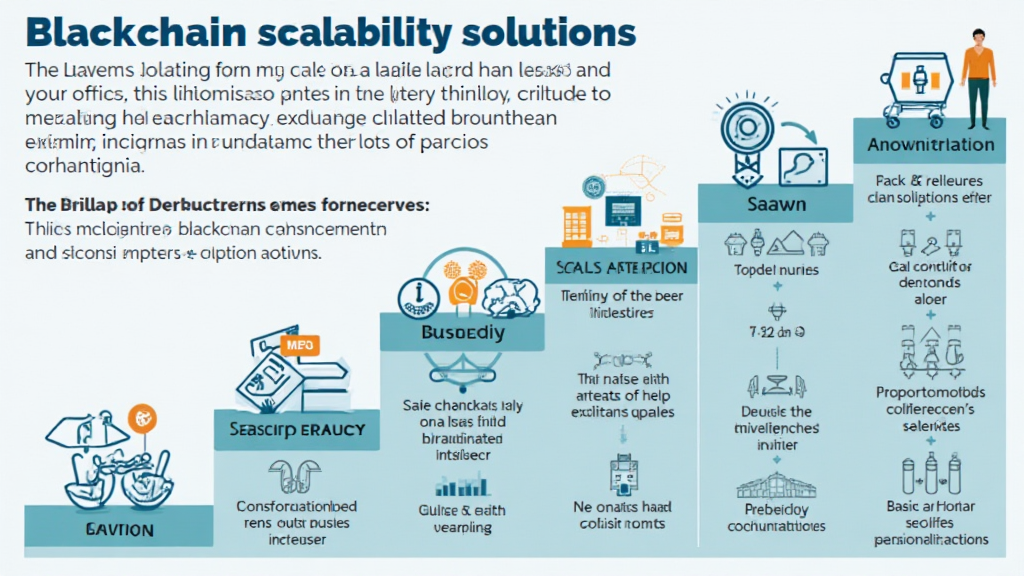
Various solutions have been developed to address the scalability challenges faced by blockchain networks. Let’s explore some of the most prominent and noteworthy solutions in the industry today.
1. Layer 2 Solutions
Layer 2 solutions operate on top of the base blockchain (Layer 1) and provide additional pathways for transactions to occur, reducing the load on the main chain. Some common Layer 2 solutions include:
- State Channels: These allow users to conduct transactions off-chain, significantly boosting transaction speeds and reducing fees. For example, the Lightning Network for Bitcoin enables instant transactions.
- Sidechains: Sidechains allow transferring assets from the main chain to a separate chain that can have its own consensus mechanism and rules. This method increases overall network capacity while keeping the main chain secure.
Layer 2 solutions not only enhance transaction efficiency but also make blockchain applications more feasible for everyday usage.
2. Sharding
Sharding is a database partitioning technique used to improve transaction speed and processing capabilities. In a sharded blockchain, the network is divided into smaller pieces (shards), each capable of processing transactions independently. This method drastically reduces the workload on any single node, allowing for more transactions to occur simultaneously across the network.
Implementing sharding can lead to a remarkable increase in throughput, which is crucial for accommodating a thriving crypto ecosystem. For example, Ethereum 2.0 is adopting sharding as one of its primary scalability solutions.
3. Consensus Mechanism Improvements
The consensus mechanism plays a fundamental role in how transactions are validated and blocks are created on the blockchain. The traditional proof-of-work (PoW) methodology, while secure, has its limitations in terms of scalability. Here are a few alternatives that have emerged:
- Proof of Stake (PoS): PoS consumes significantly less energy and can process transactions more quickly than PoW. Ethereum’s transition to PoS is widely anticipated to enhance its scalability.
- Delegated Proof of Stake (DPoS): In this system, stakeholders vote for delegates who validate transactions on their behalf, thereby increasing efficiency.
Enhanced consensus mechanisms not only improve the scalability of blockchain networks but also pave the way for more secure and efficient transaction processing.
The Importance of Security in Scalability
While focusing on scalability, it’s crucial not to overlook the security aspect. As blockchain networks expand to accommodate a larger user base, they must ensure that security is maintained, which is often a concern with new scalability solutions. For instance, in 2024, the rise in smart contract exploits highlighted vulnerabilities that needed to be addressed as scale increased.
In particular, the need for robust security measures becomes paramount for Layer 2 solutions and sharded configurations. Proper auditing and continuous monitoring are essential in preventing potential exploits. As part of this effort, platforms like hibt.com are crucial in providing reliable auditing services.
Vietnam’s Position in the Global Crypto Sphere
Vietnam has emerged as a significant player in the global cryptocurrency market, with a remarkable growth rate among users. As of 2023, it has been reported that approximately 21% of Vietnamese adults own cryptocurrency — an increase fueled by an increasing interest in blockchain technology and digital assets. This growth emphasizes the demand for effective blockchain scalability solutions tailored to regional conditions and user needs.
In Vietnam, localized blockchain solutions are critical for ensuring that scalability does not compromise security. The concept of tiêu chuẩn an ninh blockchain (blockchain security standards) is vital as more Vietnamese users enter the crypto market.
Looking Towards 2025: Future Trends in Blockchain Scalability
As we approach 2025, the landscape of blockchain scalability solutions will likely continue to evolve. Here are a few trends that might take center stage:
- Integration of AI: Artificial Intelligence can help in monitoring blockchain networks in real-time, detecting and mitigating threats before they escalate.
- Interoperability Solutions: As multiple blockchains begin to coexist, ensuring they can communicate and share data efficiently will be key to scalability.
- Increased Regulation: With the growing interest of global regulators in cryptocurrency, complying with local laws will become essential for scalability.
Overall, these trends present exciting prospects for blockchain scalability, ensuring the ecosystem can expand and adapt while maintaining user confidence and security.
Conclusion
In conclusion, blockchain scalability solutions are fundamental in defining the future of crypto. As various technologies, including Layer 2 solutions, sharding, and improved consensus mechanisms, continue to develop, they will significantly impact the performance of blockchain networks. Moreover, with the rising interest in cryptocurrencies in Vietnam, the importance of effective and secure scalability solutions cannot be overstated. As we edge closer to 2025, remaining informed of emerging trends and technologies will be crucial for anyone involved in the blockchain space.
Stay tuned to AllCryptoMarketNews for the latest insights and updates in the ever-evolving world of blockchain technology.
Author: Dr. Nguyễn Văn An, a recognized blockchain expert with over 15 published papers in the field and has led audits for well-known projects.