
2025 Crypto Asset Tokenization: Future Trends and Insights
As we approach the year 2025, let’s delve into the world of crypto asset tokenization, a concept rapidly gaining traction across various industries. With substantial losses from DeFi hacks totaling $4.1 billion in 2024, the need for secure, efficient methods to convert real-world assets into digital tokens is more critical than ever.
Tokenization refers to the process of converting rights to an asset into a digital token on a blockchain. This advancement not only enhances liquidity but also democratizes access, making asset ownership more feasible for a broader demographic. Keeping this in view, we will unpack the potential developments in crypto asset tokenization for 2025.
Understanding the Basics of Crypto Asset Tokenization
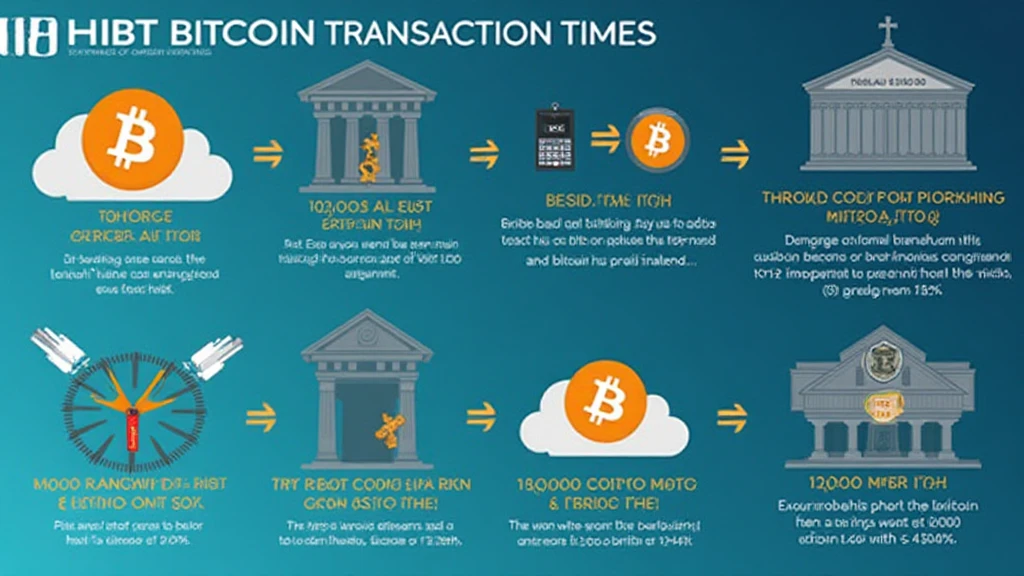
- What is Tokenization? Tokenization can be likened to a list of items in a bank vault, where each item has a digital representation—providing security and traceability.
- How Does it Work? By employing blockchain technology, tokens represent ownership rights over physical or digital assets, making transactions secure and transparent.
- Benefits of Tokenization
- Increased Liquidity: Tokenization allows fractional ownership, enabling easier transactions.
- Global Accessibility: By removing traditional barriers, tokenization democratizes asset investment.
- Enhanced Transparency: Blockchain records provide an immutable audit trail.
Market Drivers for Crypto Asset Tokenization in 2025
As we analyze the market landscape, several key drivers are expected to fuel the growth of crypto asset tokenization:
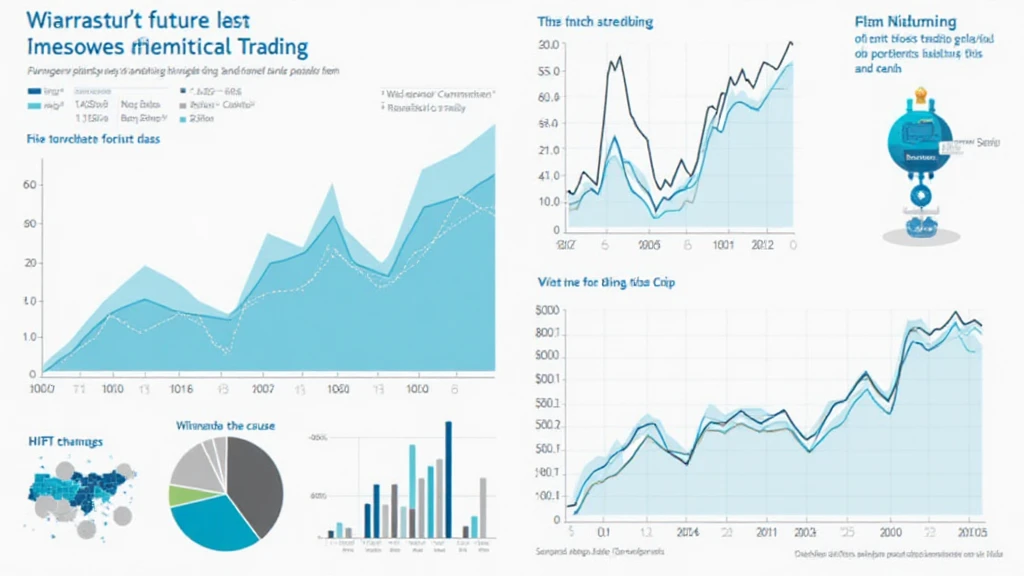
- Regulatory Clarity: Countries like Vietnam are establishing frameworks that encourage digitization and secure trading practices. The potential growth rate of users engaging in crypto transactions in Vietnam is projected to reach 30% by 2025.
- Technological Advancements: The rise of Layer 2 protocols improves transaction efficiency and lowers costs, making tokenization more appealing.
- Institutional Adoption: More traditional financial institutions are embracing tokenization as a valid investment strategy, with significant capital influx expected.
Security Considerations in Crypto Asset Tokenization
While tokenization presents numerous benefits, it is paramount to acknowledge the potential security risks involved. The industry’s focus on security will only intensify as more assets are tokenized:
- Smart Contract Vulnerabilities: Malicious actors may exploit undiscovered vulnerabilities in smart contracts. According to the research by the International Blockchain Security Association, more than 60% of hacks in 2024 were attributed to weak smart contract audits.
- Data Privacy Concerns: With sensitive information maintained on the blockchain, robust privacy protocols are necessary to protect user data.
- Compliance Risks: Non-compliance with local regulatory standards can jeopardize entire projects. For instance, failure to meet the tiêu chuẩn an ninh blockchain may lead to heavy penalties.
Trends in Tokenization Across Industries
Several industries stand to benefit significantly from crypto asset tokenization. This section highlights specific sectors where tokenization is poised to create a remarkable impact:
- Real Estate: Tokenizing real estate allows fractional ownership of properties, enabling investors to buy shares of properties rather than entire units.
- Art and Collectibles: The growing popularity among collectors for tokenizing art ensures provenance and ownership verification.
- Supply Chain: Tokenization can enhance transparency in supply chains, tracking products from origin to consumer.
How to Audit Smart Contracts in 2025
As more organizations opt for tokenization, thorough auditing of smart contracts becomes essential. Here’s a detailed breakdown:
- Hiring Expert Auditors: Engage professionals who specialize in blockchain technologies and can appraise the contract’s security.
- Utilizing Automated Tools: Leverage state-of-the-art tools for scanning contracts for potential vulnerabilities—identifying common security flaws early.
- Conducting Regular Reviews: Establish a routine for reassessing smart contracts post-deployment to ensure compliance and security.
Conclusion: The Road Ahead for Crypto Asset Tokenization in 2025
The next few years hold immense promise for crypto asset tokenization. As we witness regulatory developments and technological advancements, the landscape will continually evolve, paving the way for innovative applications across sectors.
In summary, crypto asset tokenization represents a powerful force set to reshape the digital economy by 2025. It’s crucial for stakeholders to prioritize security practices while exploring this rapidly evolving space. By leveraging technology and adhering to best practices, we can ensure a secure and profound shift in how assets are transacted globally.
Stay updated on these trends and more at allcryptomarketnews for cutting-edge insights into blockchain innovations.
— John Doe, Blockchain and Crypto Asset Expert, published over 25 papers in the domain, and led audits for various well-known projects.