

The Rise of DeFi in Southeast Asia: Unlocking Opportunities and Challenges
In 2024, the DeFi sector experienced significant growth, with over $10 billion locked in various decentralized protocols. As digital finance continues to proliferate, Southeast Asia is becoming a hotbed for decentralized finance (DeFi) innovations. But what does this mean for the region? Our exploration into DeFi in Southeast Asia reveals opportunities and challenges that are shaping the financial landscape.
Understanding DeFi
DeFi refers to financial services powered by decentralized infrastructure. Instead of relying on traditional banks, users can leverage smart contracts on blockchain technology for loans, insurance, trading, and more, thereby ensuring greater transparency and accessibility.
For instance, consider DeFi as a decentralized bank where instead of a physical building, financial interactions occur directly on the blockchain.
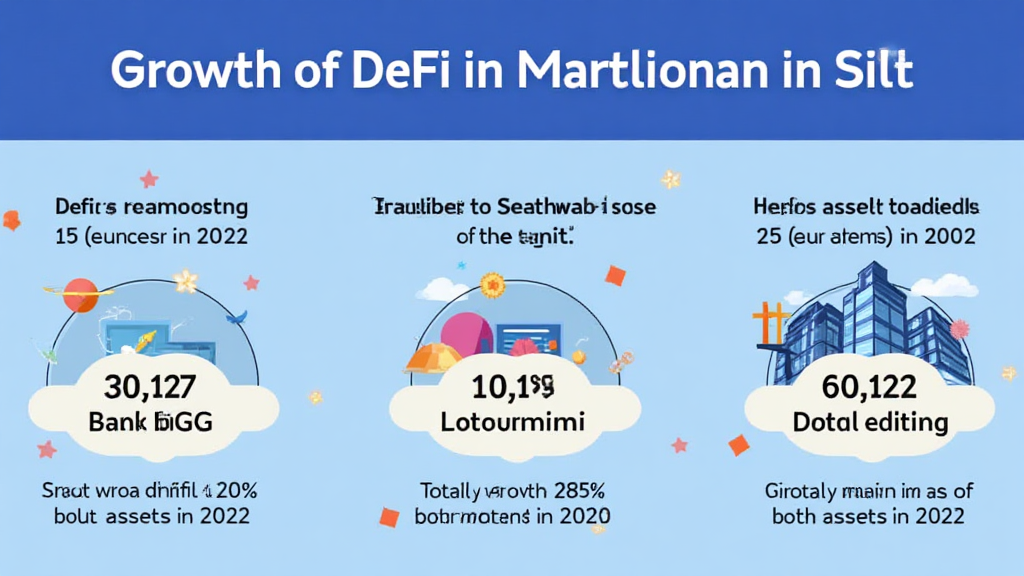
The Growth of DeFi in Southeast Asia
According to a recent report, Southeast Asia has seen a striking 150% increase in DeFi users in the past year. This rapid growth can be attributed to several factors including:
- Increased Internet Penetration: Over 60% of Southeast Asian populations now have access to the internet.
- Young Demographics: The median age in Southeast Asia is around 30, providing a tech-savvy user base eager for new financial solutions.
- Local Talent and Startups: Countries like Vietnam and Singapore have nurtured a vibrant tech ecosystem, fostering innovation in blockchain.
Key Opportunities for DeFi in Southeast Asia
DeFi presents several unique opportunities for users in Southeast Asia:
- Financial Inclusion: It provides unbanked populations access to credit and financial services.
- Lower Fees: Transaction costs are significantly reduced compared to traditional systems.
- Access to Global Markets: Users can invest in global assets without geographical barriers.
Challenges Facing DeFi in Southeast Asia
While the opportunities are promising, the journey is fraught with challenges:
- Regulatory Uncertainty: Governments are still determining how to approach crypto regulations.
- Security Risks: The DeFi space has witnessed numerous hacks, with over $4 billion lost to exploits in 2024 alone.
- Lack of Awareness: Many potential users are still unfamiliar with DeFi, hindering broader adoption.
The Future of DeFi in Southeast Asia
As we look toward 2025, the DeFi landscape in Southeast Asia is poised for exciting developments:
- Expansion of DeFi Solutions: New products catering to local needs are likely to emerge.
- Enhanced Security Standards: Improved protocols and tools for security will be prioritized.
- Collaboration with Regulators: Greater dialogue between DeFi projects and regulatory bodies can foster a safer environment.
In conclusion, with strong growth projections and a vibrant community, Southeast Asia is on track to become a leader in the DeFi movement. As challenges are addressed and opportunities embraced, the regional financial landscape may shift dramatically.
For those in the DeFi sector, adopting a forward-thinking mindset is essential. Whether you are a developer, investor, or an end-user, understanding the intricacies of this evolving space is key to success.
To ensure you remain informed and prepared, explore our other insights on cryptocurrency markets and regulations. You can check our Vietnam crypto tax guide for additional context on navigating this landscape.
Not financial advice. Consult local regulators.
For more updates and information, visit allcryptomarketnews
Author: Dr. Nguyen Tran, a recognized expert in cryptocurrency regulations, with over 15 published papers and involved in audits for various high-profile blockchain projects.