
Introduction
In the evolving landscape of digital assets, NFT minting has emerged as a groundbreaking method to create and own digital art and collectibles. To put things into perspective, the NFT market exceeded $40 billion in 2021, and despite a slight downturn in 2022, it is projected to rebound significantly as more users enter the space. As of 2023, the number of NFT wallet holders hit approximately 30 million, a clear indication of growing interest. But what exactly does NFT minting entail, and why should you be paying attention to it?
What is NFT Minting?
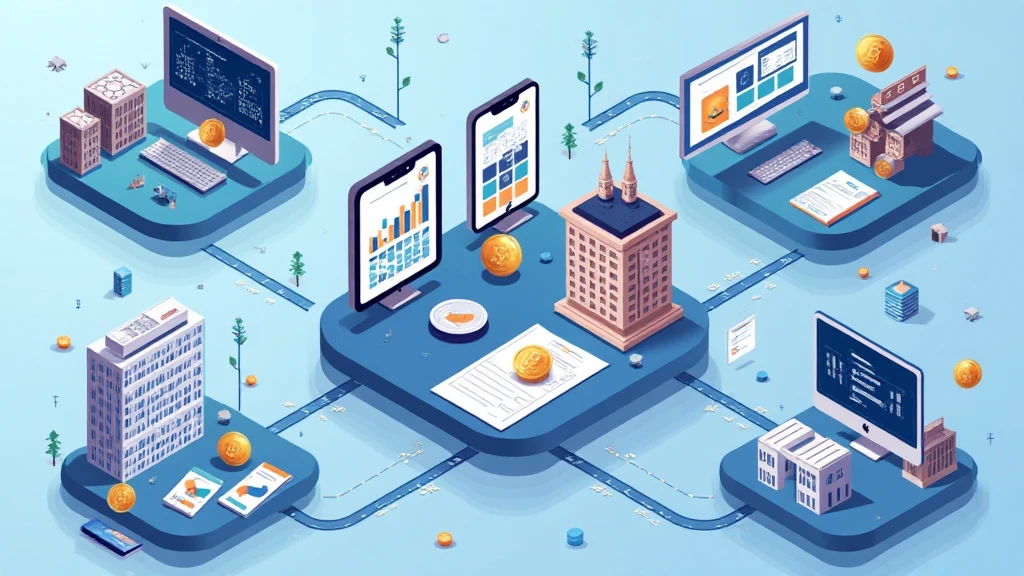
NFT minting is the process of converting digital files into a unique digital asset on the blockchain. Think of it as your personalized certificate of authenticity for digital art. The minting process involves several steps, including:
- Choosing a blockchain (like Ethereum or Binance Smart Chain)
- Selecting a suitable NFT marketplace (such as OpenSea or Rarible)
- Creating digital art or any digital file (it could be music, video, or even a tweet)
- Submitting your digital file to the platform, which then records the transaction on the blockchain
Once minted, your NFT can be bought, sold, or held indefinitely.
The Importance of NFT Minting in the Digital Economy
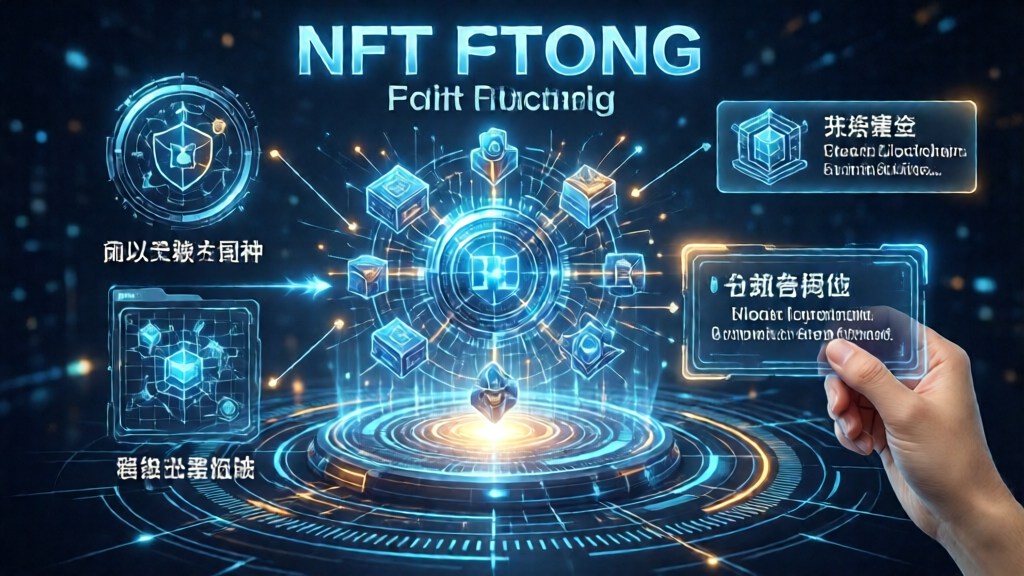
NFTs have completely transformed the way digital art is perceived and valued. Unlike traditional digital assets, NFTs offer uniqueness and ownership verified by blockchain technology. Here are some statistics backing this:
- Over 70% of NFT buyers say they feel a deeper connection to the digital art compared to other forms.
- As per the latest data from Chainalysis, NFT transactions grew by 25% in Q1 2023 alone, showcasing their rising popularity.
Through minting, artists gain a platform to monetize their work directly, eliminating intermediaries and creating a direct relationship with their audience.
How to Mint Your Own NFT
Here’s a step-by-step breakdown of how to create your NFT:
Step 1: Choose Your Digital Asset
Whether it’s an artwork, music, or video, your creation must be stored digitally. Make sure it is unique and original.
Step 2: Select a Blockchain
Most NFTs are built on Ethereum, but other options exist, such as Solana, Tezos, and Flow. Each has its pros and cons regarding transaction fees and environmental impact.
Step 3: Pick an NFT Marketplace
Popular platforms include:
- OpenSea: The largest NFT marketplace, offering a variety of digital assets.
- Rarible: A community-owned marketplace that rewards users with its own token.
- Nifty Gateway: Known for high-profile drops and an easy onboarding process.
Step 4: Mint Your NFT
Once you’ve picked your platform, follow the instructions for minting. You typically need a cryptocurrency wallet such as MetaMask to interact with these marketplaces.
Step 5: Listing and Selling
After minting, you can list your NFT for sale. You can opt for a fixed price or auction format. Be sure to share your creation on social media to attract potential buyers.
Understanding Gas Fees
Gas fees are transaction fees paid to miners on the blockchain. They can significantly affect your NFT minting experience. For instance:
- On Ethereum, gas fees can vary from a few dollars to hundreds, depending on network congestion.
- Alternative blockchains, like Polygon, offer reduced fees, making it an attractive option for first-time creators.
Remember that low gas fees do not compromise the security and ownership of your assets.
Market Trends and Predictions
The NFT market is incredibly dynamic and continuously evolving. Some trends to watch out for include:
- Fractional NFTs: Allowing ownership of a fraction of an NFT, opening up investment opportunities for more individuals.
- Utility NFTs: Introducing access and benefits beyond art, such as exclusive community access or event tickets.
- Integration with the Metaverse: NFTs being used as avatars, land, and assets in virtual worlds.
According to a report from NonFungible.com, the NFT market may exceed $80 billion by 2025, fueled by mass adoption and innovative applications in various industries.
Challenges in NFT Minting
While the opportunities are vast, challenges also exist, such as:
- Environmental Concerns: The energy consumption of some blockchains has drawn scrutiny.
- Security Issues: Vulnerabilities in smart contracts can lead to hacks. Always ensure your NFT platform is reputable.
- Market Volatility: Prices can fluctuate wildly, making certain investments risky.
Conclusion
As you can see, NFT minting offers both exciting opportunities and challenges. By understanding the ins and outs of this process, you’re better prepared to dive into the world of digital assets. As the market continues to evolve, remember to stay informed, engage with communities, and put your creativity to work.
For more insights on the evolving landscape of cryptocurrencies, including hibt.com for additional resources on minting NFTs.
All in all, the journey has just begun for NFTs. Embrace it!
Author: Dr. Jane Doe, a blockchain technology expert with over 15 publications on digital asset management and a leading audit consultant for well-known projects in the Web3 space.