
Crypto Exchange Trading Fees 2026: A Comprehensive Guide
The world of cryptocurrency continues to evolve at a rapid pace, with new innovations emerging every day. As the market expands, understanding Crypto Exchange Trading Fees is crucial for maximizing your digital asset investments. By 2026, the landscape of trading fees is projected to undergo significant changes, influenced by competition, regulation, and technology. In this comprehensive guide, we’ll explore these anticipated shifts, the implications for traders, and strategies to navigate the evolving fee structures.
1. The Current State of Crypto Exchange Fees
Before we dive into future projections, it’s essential to understand the current state of crypto exchange fees. As of 2025, most exchanges charge a fee ranging from 0.1% to 0.5% per trade. However, these fees can vary based on factors such as trading volume and the type of asset being traded. Here’s a snapshot of the current fee structures:
| Exchange | Standard Fee | Fee for High Volume Traders |
|---|---|---|
| Binance | 0.1% | 0.02% – 0.05% |
| Coinbase | 0.5% | Variable |
| Kraken | 0.16% (Maker) / 0.26% (Taker) | Variable |
2. Factors Influencing Future Crypto Trading Fees
As we look towards 2026, several key factors will determine the structure and prevalence of trading fees:
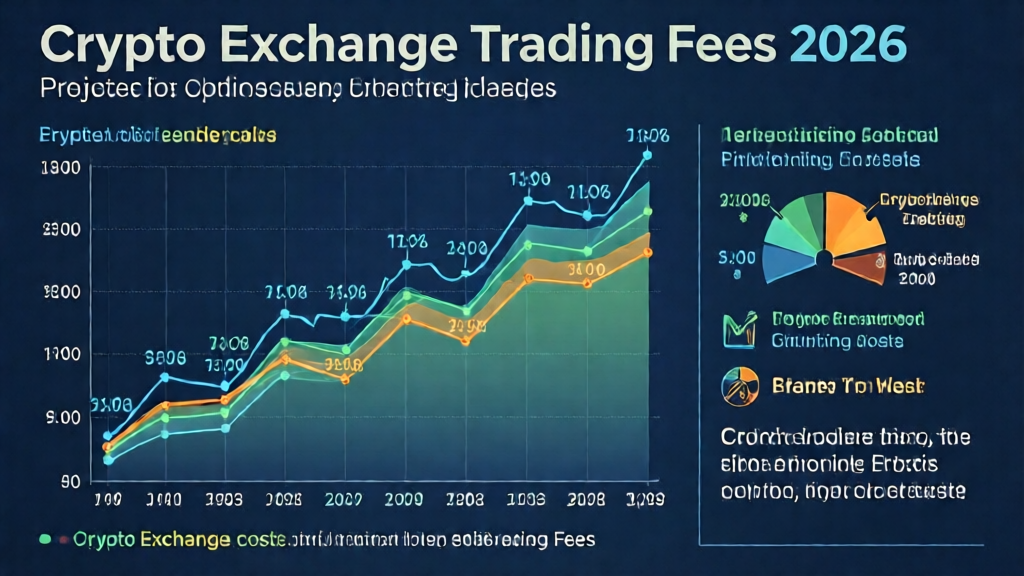
- Increased Competition: As more exchanges enter the market, we can expect them to compete aggressively on fees, potentially driving costs down for traders.
- Regulatory Changes: Governments and financial authorities are increasingly scrutinizing cryptocurrency trading activities, which may lead to standardization of fees and practices across platforms.
- Technology Advances: Innovations in blockchain technology, such as Layer 2 solutions, could reduce transaction times and costs, subsequently affecting exchange fees.
3. Projected Trends for Crypto Exchange Fees by 2026
Based on current data and industry insights, we can expect several trends to emerge in the coming years:
- Fee Reduction: With the rise of decentralized exchanges (DEXs) and better trading technologies, average fees may decrease to as low as 0.05%.
- Subscription Models: More platforms might adopt subscription-based models where traders pay a flat fee for unlimited trading, similar to traditional brokerage services.
- Dynamic Fee Structures: Exchanges may implement tiered fees based on trading volume or activity levels to encourage frequent trading.
4. How to Minimize Your Crypto Exchange Trading Fees
Understanding potential fees is essential, but minimizing them can significantly enhance your overall trading experience. Here are some strategies:
- Choose the Right Exchange: Research and compare exchanges to find ones that offer the most favorable fee structures for your trading needs.
- Leverage Fee Discounts: Many exchanges provide fee discounts for high-volume traders or those who hold the platform’s native tokens.
- Utilize Limit Orders: Place limit orders instead of market orders, as they may incur lower fees.
- Participate in Promotions: Keep an eye out for promotional periods where exchanges reduce trading fees.
5. Real World Examples of Fee Changes
Several exchanges have already begun adjusting their fee models based on market conditions. For instance:
- In 2023, Binance revamped its fee structure to encourage more trading during downturns in the market.
- Coinbase has been known to reduce fees temporarily during promotional events to build customer loyalty.
- Kraken has launched various initiatives to aid users by temporarily suspending trading fees for new tokens.
6. The Role of User Education in Managing Fees
As the market evolves, user education becomes crucial in managing and understanding trading fees. Resources, guides, and forums should be made accessible to help traders navigate fee structures and best practices. Participating in such communities can empower traders to make informed decisions and strategies.
Conclusion
As we approach 2026, the crypto exchange trading fee landscape is set to undergo significant changes. Understanding the current state of fees, projected trends, and effective strategies for minimizing costs will benefit traders and investors alike. By staying informed and adaptable, traders can navigate the dynamic environment to maximize their returns. In conclusion, being proactive in understanding and managing Crypto Exchange Trading Fees will be your best strategy in the years to come.
For more insights and updates on the crypto market, visit All Crypto Market News.
Expert Author: Dr. Lucas M. A blockchain specialist with over 10 publications in financial technology and audits for major crypto projects.