
NFTs: Revolutionizing the Future of Digital Assets
In recent years, Non-Fungible Tokens (NFTs) have taken the digital world by storm. With a staggering $25 billion generated in sales in 2021 alone, the market is expected to grow exponentially, with projections suggesting a remarkable 50% annual growth rate through 2025. What makes NFTs so appealing? And how are they transforming the way we perceive and interact with digital assets?
This article delves into the fundamentals of NFTs, their applications across various sectors, and forecasts the trends that will define the NFT landscape in the near future.
Understanding NFTs: What Are They?
Non-Fungible Tokens are unique digital assets that represent ownership of a specific item or piece of content, secured on a blockchain. Unlike cryptocurrencies such as Bitcoin or Ethereum, which are fungible (interchangeable), NFTs are distinctive and cannot be exchanged on a one-to-one basis. For example, a famous piece of digital artwork sold as an NFT cannot be directly traded for another NFT unless both parties agree on the valuation.
To put it simply, you can think of NFTs as digital collectibles, similar to how you might collect rare coins or stamps, but now in a virtual format. They are powered by blockchain technology, structured using smart contracts, and ensure security and authenticity.
The Rise of NFTs in Different Sectors
The versatility of NFTs has led to their adoption across various industries:
- Art and Music: Artists can tokenize their digital art, enabling them to sell their works directly to consumers while retaining royalties on future sales.
- Gaming: Players can truly own in-game assets, trade them, or sell them on NFT marketplaces. This transforms their gaming experience into a form of asset investment.
- Real Estate: NFTs are being used to represent ownership of physical properties, making transactions more transparent and efficient.
- Collectibles: Digital trading cards, virtual real estate, and even celebrity memorabilia are being minted as NFTs, creating a new market for collectors.
The Economic Impact of NFTs
The surge in NFTs has created many economic opportunities and challenges. In the United States alone, the number of NFT users grew by over 300% in 2021, leading to a significant influx of investment into the space. Here’s a closer look at some of the economic implications:
- Job Creation: The NFT ecosystem has given rise to new job opportunities, including NFT artists, developers, and marketing professionals.
- Support for Artists: NFTs allow artists to earn a living directly from their work rather than relying solely on traditional galleries or auction houses.
- Investment Opportunities: With NFTs entering the mainstream, they present a unique investment opportunity that could reshape how individuals view and take risks regarding digital assets.
Future Trends: What’s Next for NFTs?
The future of NFTs is exciting and dynamic, with emerging trends likely to shape their evolution. Here are a few to watch:
- Interoperability: The ability for NFTs to be used across multiple platforms will be crucial for their growth. Efforts towards standardization are underway.
- Regulatory Frameworks: As the market grows, there will be an increasing necessity for regulations to protect users and investors, avoiding fraud and manipulation.
- Integration with the Metaverse: As virtual and augmented realities continue to develop, NFTs will find their role in these immersive environments, enabling ownership of virtual land and assets.
Security Standards for NFTs
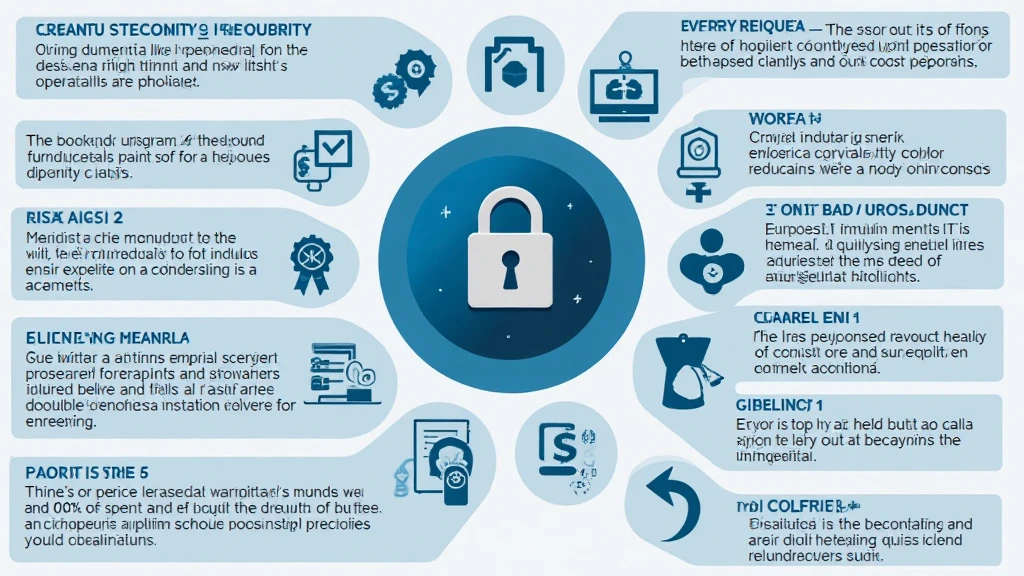
With the rise of NFTs, security has become a paramount concern. The 2025 Blockchain Security Standards highlight essential practices for safeguarding your digital assets:
- Cold Wallet Storage: Use hardware wallets for storing valuable NFTs to protect them from online hacks.
- Two-Factor Authentication: Implement additional security measures like two-factor authentication for NFT marketplace accounts.
- Regular Audits: Routine assessments of smart contracts can identify vulnerabilities before they can be exploited.
Conclusion: The Transformative Power of NFTs
As we’ve explored, NFTs are reshaping the digital landscape in numerous ways—from providing artists and content creators with new revenue streams to transforming traditional industries like real estate and gaming. The growth of NFTs is a testament to the innovative capabilities of blockchain technology and its potential to redefine ownership in the digital realm.
For investors and enthusiasts keen on staying on top of the evolving marketplace, understanding these trends is imperative. It’s crucial to conduct thorough research and explore reliable resources to navigate this landscape successfully. As always, be cautious and consult with experts when engaging with financial investments.
In conclusion, NFTs are more than just a passing fad; they represent a paradigm shift in how we value and trade digital assets in today’s economy. To learn more about the burgeoning world of NFTs, visit allcryptomarketnews.