
Vietnam Crypto Regulations vs Singapore: A Detailed Comparison
In recent years, the landscape of cryptocurrency regulation has undergone significant changes across the globe. With $4.1 billion lost to DeFi hacks in 2024, jurisdictions are ramping up efforts to protect investors and maintain market integrity. Today, we’ll delve into an in-depth comparison between Vietnam and Singapore, two countries with unique approaches to crypto regulations.
The State of Cryptocurrency in Vietnam
Vietnam has seen remarkable growth in cryptocurrency adoption, with a user growth rate of 36% in the past year alone. This trend highlights the interest and demand for digital currencies among Vietnamese citizens. However, regulators have taken a cautious approach. The Vietnamese government has recognized cryptocurrencies but continues to navigate the regulatory challenges surrounding them.
- In 2018, the State Bank of Vietnam issued a decree prohibiting the use of cryptocurrencies as a means of payment.
- The Ministry of Finance is working on policy frameworks to regulate initial coin offerings (ICOs) and digital asset transactions.
- Vietnamese authorities are emphasizing security standards, or tiêu chuẩn an ninh blockchain, to safeguard investors.
Impact of Vietnam’s Regulations on Investors
Vietnam’s regulations are still evolving, which creates uncertainty for potential investors. This uncertainty can stem from:
- Lack of legal clarity on cryptocurrency trading and sales.
- Potential penalties for unauthorized cryptocurrency transactions.
- Heightened concerns over securities law compliance.
Singapore: A Global Crypto Hub
In stark contrast, Singapore has established itself as a leading crypto hub in Asia, attracting global investors and blockchain startups alike. The Monetary Authority of Singapore (MAS) has implemented comprehensive regulatory measures.
- Singapore has a clear framework for cryptocurrency businesses through the Payment Services Act (PSA), enacted in 2020.
- The aim of the PSA is to foster innovation while mitigating risks associated with money laundering and financial terrorism.
- Singapore’s pro-business environment encompasses a robust licensing regime for crypto exchanges and wallet providers.
Why Investors Prefer Singapore
Investors are drawn to Singapore for various reasons, including:
- A well-established regulatory framework that promotes transparency.
- Support for blockchain education and research, fostering innovation.
- A vibrant cryptocurrency community that encourages collaboration.
Comparative Analysis of Regulatory Approaches
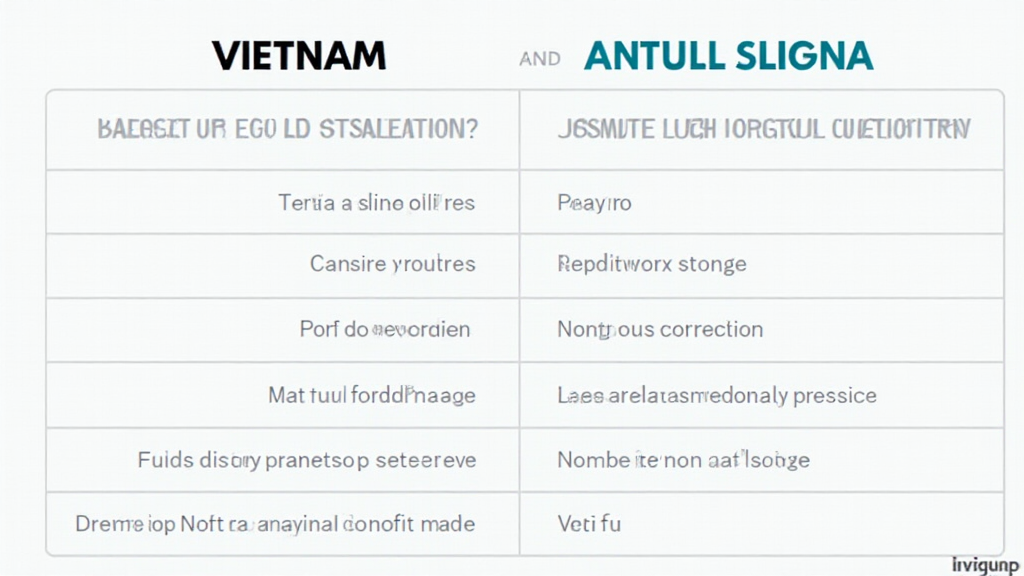
Both Vietnam and Singapore exhibit contrasting approaches to regulating cryptocurrencies, which can influence where companies choose to operate.
Regulatory Clarity
Singapore’s proactive regulation fosters trust and clarity in the market:
- Companies have clear guidelines to follow, which minimizes compliance risks.
- Investors are more willing to engage with regulated platforms.
Meanwhile, Vietnam’s cautious approach leads to:
- Uncertainty about the legality of certain crypto activities.
- Potential barriers for startups in the crypto space.
Security vs. Innovation
Vietnam emphasizes security standards, which is crucial for protecting consumers:
- The National Cyber Security Centre is working on implementing secure blockchain standards.
- End-users are encouraged to engage with projects that meet these security benchmarks.
Conversely, Singapore prioritizes innovation:
- Support for technological advancements in the blockchain domain.
- Incentives for local blockchain projects and startups to grow.
Future Outlook for Both Countries
As we head into 2025, both Vietnam and Singapore face unique challenges and opportunities regarding cryptocurrency regulations.
Vietnam’s Regulatory Evolution
Vietnam is expected to:
- Continue developing comprehensive regulations to address investor concerns.
- Emphasize security standards and risk awareness among users.
Singapore’s Ongoing Leadership
Singapore is poised to:
- Maintain its competitive edge as a global crypto hub.
- Attract investments through ongoing dialogue and refinement of regulations.
Conclusion
The comparison of Vietnam crypto regulations vs Singapore reveals profound differences in regulatory attitudes, each with its unique implications for investors and businesses alike. While Singapore’s robust regulatory framework promotes a secure environment for innovation, Vietnam is still navigating its regulatory landscape, emphasizing security over rapid growth. As both countries seek to evolve their policies, the global crypto community will be watching closely.
As the crypto market continues to grow, staying informed about these changes is essential for any investor or blockchain professional looking to navigate these dynamic environments. For more insights into the crypto landscape in Vietnam and beyond, visit allcryptomarketnews.
Author: Dr. Alex Nguyen, Blockchain Compliance Specialist, author of over 15 peer-reviewed papers in blockchain technology and strategy consultant for various cryptocurrency projects.