
NFT Trading: A Comprehensive Guide to the Evolving Market
As the digital world rapidly evolves, NFT trading has emerged as a significant phenomenon, fundamentally transforming how we perceive ownership, art, and value. With the market for non-fungible tokens (NFTs) experiencing exponential growth—reaching $24 billion in sales in 2021 alone—the interest in NFT trading is palpable. In fact, according to a report by NonFungible.com, the number of active wallets trading NFTs surged by 28% from Q3 2020 to Q3 2021. Today’s NFT enthusiasts are exploring various platforms, strategies, and markets.
However, navigating the complexities of NFT trading can be daunting for newcomers. This article aims to demystify NFT trading by outlining essential aspects such as understanding the technology behind NFTs, effective trading strategies, market trends, and security considerations. Whether you are an experienced trader or a curious novice, this guide will provide invaluable insights into the world of NFT trading.
Understanding NFTs and Blockchain Technology
At the core of NFT trading lies blockchain technology. To grasp the complexities of NFTs, one must first understand how blockchain works. Think of blockchain as an incredibly secure digital ledger—much like a bank vault—where every transaction and asset transfer is recorded transparently and immutably.
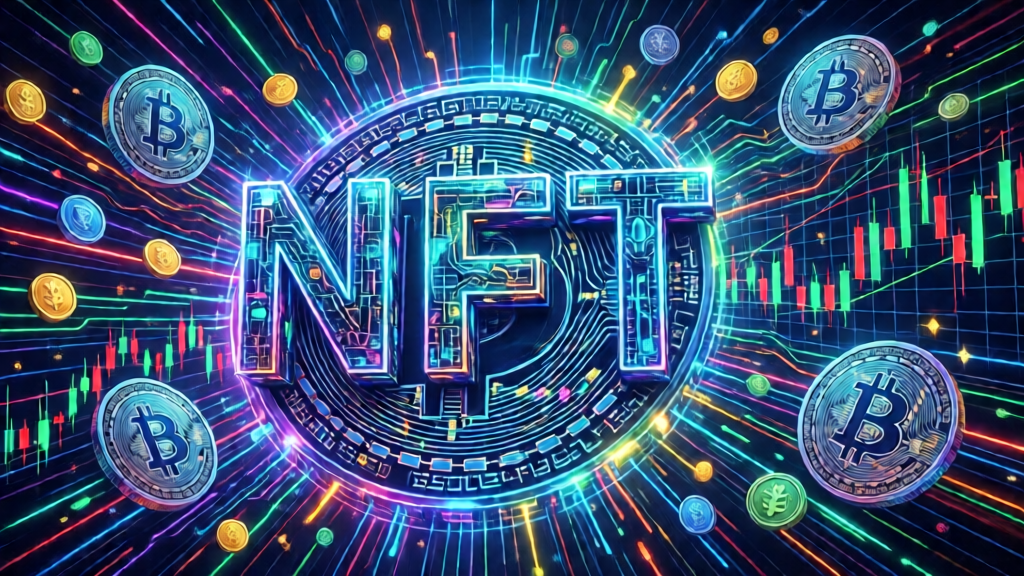
- What are NFTs? Non-fungible tokens represent ownership of unique items or assets in the digital realm, distinguishing them from cryptocurrencies like Bitcoin and Ethereum, which are fungible.
- How do NFTs work? NFTs operate on various blockchains, with Ethereum being the most popular. They use smart contracts—self-executing agreements with the terms of the agreement directly written into code—to facilitate transactions.
- What is a smart contract? Picture it as a digital agreement that automatically executes actions when predetermined conditions are met, eliminating intermediaries and reducing costs.
The Power of Decentralization and Ownership
As NFTs empower creators and consumers alike, they open up new avenues for decentralized ownership and control over digital assets. Artists can tokenize their work, enabling them to sell directly to their audience without relying on traditional galleries or platforms.
Moreover, the concept of digital scarcity comes into play, where the uniqueness and limited availability of an NFT can drive its value. This is where understanding market trends and buyer psychology becomes essential.
Strategies for Successful NFT Trading
Navigating the NFT market requires a keen understanding of various trading strategies. Here are some effective approaches:
1. Minting vs. Trading NFTs
Minting involves creating new NFTs from original content, while trading refers to buying and selling existing NFTs. Both strategies have pros and cons, and your choice may depend on factors like investment capacity and risk tolerance.
2. Assessing Value and Market Trends
Value assessment is critical in NFT trading. Consider the following factors:
- Rarity: Unique or limited-edition NFTs typically command higher prices.
- Creator Reputation: Established artists, brands, or projects often drive demand and influence prices.
- Market Trends: Stay updated on trends, popular collections, and emerging projects through platforms like DappRadar and CoinMarketCap.
3. Diversifying Your Portfolio
Just like traditional investing, diversification can mitigate risks in NFT trading. By diversifying across various categories, such as art, music, and virtual real estate, you can spread risk and increase your chances of success.
The Growth of NFT Platforms and Marketplaces
The rise of NFT trading led to the emergence of numerous platforms. Here are some of the most notable NFT marketplaces that offer unique features:
- OpenSea: The largest NFT marketplace, allowing users to buy, sell, and discover various digital assets.
- Rarible: A decentralized platform where creators can mint NFTs and receive royalty rewards on secondary sales.
- Nifty Gateway: Known for its art drops and collaborations with renowned artists and brands.
As of 2022, OpenSea has recorded over $10 billion in total sales, highlighting its dominance in the space.
Security Considerations in NFT Trading
While opportunities abound, the NFT market is also fraught with risks. Cybersecurity is paramount, with hackers and scams posing significant threats to traders. Here are some essential security measures:
- Wallet Security: Use hardware wallets like Ledger Nano X to store NFTs securely offline.
- Phishing Awareness: Be cautious of phishing attempts and suspicious links, especially in social media or email.
- Smart Contract Audits: Before engaging with a new project, ensure the smart contract has undergone an independent audit to mitigate risks.
In fact, according to Chainalysis, losses due to hacking in the NFT space reached $3 billion in 2022, underscoring the importance of diligent security practices.
The Future of NFT Trading: Opportunities and Challenges
The landscape of NFT trading continues to evolve, and several trends are shaping its future:
- Interoperability: As different blockchains adopt NFT standards, interoperability between platforms could facilitate broader access and trading abilities.
- Regulatory Frameworks: As NFTs become more mainstream, regulatory scrutiny will likely increase, addressing consumer protection and taxation concerns.
- Composability: The ability to combine or build upon existing NFTs could pave the way for innovative applications, such as virtual experiences and gaming ecosystems.
As the NFT market matures, anticipation builds among traders, artists, and investors alike. It is essential to stay informed and adaptable as the dynamics of the digital asset ecosystem continue to shift.
Conclusion: Embracing the Future of NFT Trading
NFT trading has undoubtedly transformed the way we view ownership and value in the digital age. While opportunities abound, it is crucial for traders to equip themselves with knowledge and strategies to navigate the complexities of the NFT marketplace effectively. Understanding the technology, assessing value, and maintaining robust security practices are all vital components of success in this evolving landscape. Remember, the digital world is continuously changing, and those who adapt will thrive.
As you embark on your NFT trading journey, consider leveraging platforms that prioritize security, transparency, and community engagement. Additionally, always remain cautious and consult local regulations regarding NFT trading to ensure compliance.
For more insights into the exciting world of crypto and digital assets, visit allcryptomarketnews
Dr. Emily Carter, an expert in digital asset management, has published over 15 papers and led the audit of several renowned projects in the blockchain space.