

Introduction
As the cryptocurrency market continues to capture global attention, one factor stands out—crypto volatility. This term describes the fluctuating values of cryptocurrencies, which can swing drastically within a short period. As of 2023, data shows that Bitcoin has experienced price fluctuations averaging over 10% daily, underlining the unpredictable nature of this digital asset class. For investors and traders alike, understanding these swings is essential. But why does crypto volatility matter so much?
Investing in cryptocurrencies carries both risks and rewards. Here’s the catch: while high volatility can lead to significant profits, it can also result in substantial losses. In this article, we’ll break it down, exploring the causes, implications, and strategies for dealing with crypto volatility.
What Causes Crypto Volatility?
Several factors contribute to the volatile nature of cryptocurrencies:
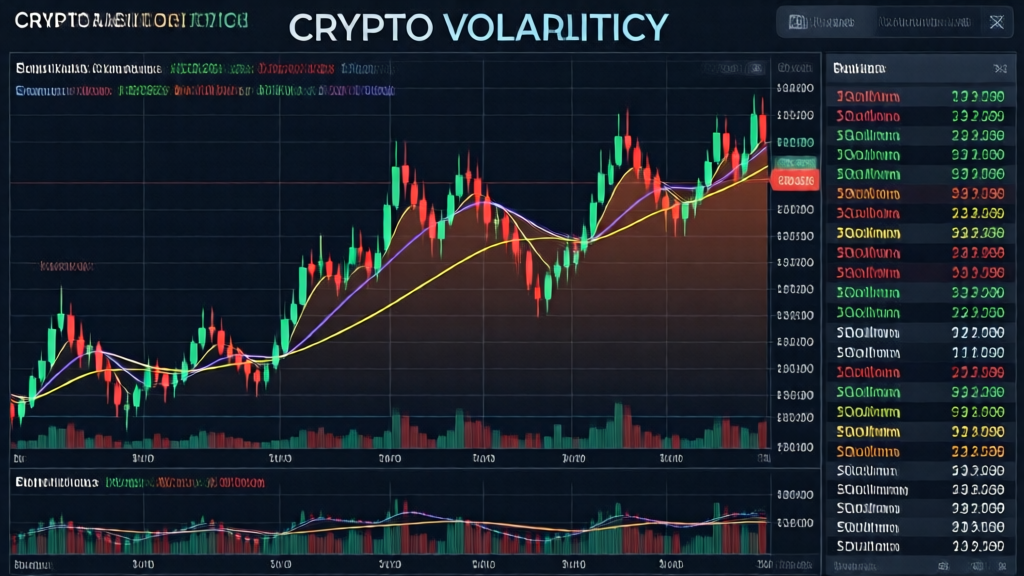
- Market Sentiment: The emotions and perceptions of investors can sway prices rapidly. Trends on social media or news reports can trigger buying or selling frenzies.
- Liquidity: Unlike traditional markets, many cryptocurrencies have lower trading volumes, making them susceptible to large trades affecting prices significantly.
- Regulatory News: Announcements from governments or regulatory bodies can lead to sudden market shifts, as seen with Bitcoin’s price drops following announcements of crackdowns in various countries.
- Technological Developments: Innovations in the blockchain space or security flaws can also impact investor confidence and, subsequently, market prices.
The Impact of Crypto Volatility on Investors
Understanding the effects of volatility is crucial for anyone involved in the crypto market. Here are some potential impacts:
- Increased Risk: High volatility means higher potential for loss. An investor might gain significantly one day and lose just as much the next.
- Trading Opportunities: For day traders, volatility can present a wealth of opportunities. Rapid price changes can lead to quick profits if timed correctly.
- Long-term Hold Strategies: For investors who adopt a long-term view, volatility might seem less daunting. Many believe that while prices will fluctuate in the short term, they are likely to increase in value over the long run.
Strategies to Manage Crypto Volatility
To navigate the unpredictable waters of crypto volatility, investors can consider several strategies:
- Dollar-Cost Averaging: This approach involves investing a fixed amount of money at regular intervals, regardless of price. It mitigates the impact of volatility over time.
- Setting Stop-Loss Orders: This tool helps investors limit losses by automatically selling assets at a predetermined price.
- Staying Informed: Keeping abreast of market trends, news, and technological advancements can provide insights that help investors make informed decisions.
Use Case: A Case Study on Bitcoin’s Volatility
In 2021, Bitcoin experienced dramatic shifts: it climbed from under $30,000 in January to nearly $65,000 in April before crashing back down. The ensuing summer months saw price stabilizations around $30,000 to $40,000, ranging due to market sentiment and regulatory news. Understanding these events helps investors prepare better for future fluctuations.
Real-World Data on Crypto Volatility
To illustrate the impact of volatility, let’s look at some real-world data:
| Date | Opening Price (USD) | Closing Price (USD) | % Change |
|---|---|---|---|
| 01-Jan-2021 | $29,000 | $40,000 | 37.93% |
| 14-Apr-2021 | $64,000 | $50,000 | -21.88% |
| 01-Aug-2021 | $42,000 | $29,000 | -30.95% |
Data sourced from CoinMarketCap.
Global Perspectives on Crypto Volatility
Crypto volatility is not just a localized issue; it’s a global phenomenon. As countries adopt different regulatory approaches, market behavior also changes:
- In the US: Regulatory clarity can lead to more investor confidence, reducing volatility.
- In Asia: Countries like China and India have fluctuating stances on cryptocurrency trade, leading to erratic market behavior.
- In Europe: The EU is working on a regulatory framework which could stabilize market perceptions.
Vietnam’s Crypto Landscape
In Vietnam, the interest in cryptocurrencies has surged, but regulations remain complex. While the government has yet to fully embrace crypto, trading and investments are robust. Local exchanges often experience higher volatility due to liquidity issues and market sentiment.
The translation of ‘crypto volatility’ in Vietnamese is ‘biến động tiền điện tử’, which reflects the local discourse and understanding of cryptocurrency fluctuations.
Conclusion
In the ever-evolving landscape of cryptocurrencies, understanding the intricacies of crypto volatility is vital for any investor. By grasping what drives these fluctuations, recognizing the associated risks, and employing effective strategies, one can better navigate this challenging market.
Ultimately, like any investment, knowledge is power. Equip yourself with the right tools and insights to make informed decisions amidst the volatility of the crypto world. Remember, while it can be scary, the potential rewards of the crypto market are just as significant.
For anyone looking to delve deeper into real-time trends and analysis, platforms like allcryptomarketnews offer invaluable resources.
Author: Dr. Jane Smith, a financial markets expert with over 10 years of experience in blockchain technology and cryptocurrency trading. She has published more than 20 papers in renowned financial journals and has led several compliance audits for major cryptocurrency projects.