
Understanding Crypto Liquidity: The Heart of Trading Success
In the ever-evolving world of cryptocurrencies, one key concept stands out as vital for traders and investors alike: crypto liquidity. In 2023, the total market capitalization of all cryptocurrencies exceeded $2.1 trillion, emphasizing the importance of liquidity in this dynamic environment. Liquidity, in its simplest form, indicates how easily an asset can be bought or sold without causing a significant price change. For cryptocurrency traders, high liquidity translates to smoother transactions and less volatility.
What is Crypto Liquidity?
To put it simply, crypto liquidity refers to how easily coins can be traded for cash or other cryptocurrencies. The liquidity of a market can be determined by the volume of trades—higher volumes typically indicate higher liquidity.
- High liquidity means that large transactions can occur without impacting the price significantly.
- Low liquidity can lead to slippage, which is when an order is executed at a different price than expected.
In 2023, the average trading volume across cryptocurrencies was approximately $100 billion per day, showing a robust market but uneven liquidity across various assets. CoinGecko reports that Bitcoin maintains the highest liquidity ratios, followed closely by Ethereum.
The Importance of Liquidity in Crypto Trading
Liquidity plays a crucial role in trading success. Here’s why:
- Reduced Slippage: High liquidity minimizes the difference between expected and actual transaction prices.
- Faster Transactions: More buyers and sellers mean quicker order fulfillment.
- Market Stability: A liquid market tends to have more stable prices, reducing the risk for investors.
Here’s the catch: while liquidity is often seen as a positive attribute, it also can lead to increased volatility in certain market conditions. During high-demand periods, the prices of less liquid cryptocurrencies can skyrocket, attracting investors.
Factors Influencing Crypto Liquidity
Several factors affect the liquidity of cryptocurrencies:
1. Trading Volume
The more a particular cryptocurrency is traded, the more liquid it becomes. Coins that see millions of dollars in daily transactions are generally more liquid than those that only have a few thousand.
2. Exchange Listings
The number of exchanges on which a cryptocurrency is listed affects its liquidity. For instance, a coin available on multiple platforms tends to have greater liquidity than one listed on only a niche market.
3. Market Depth
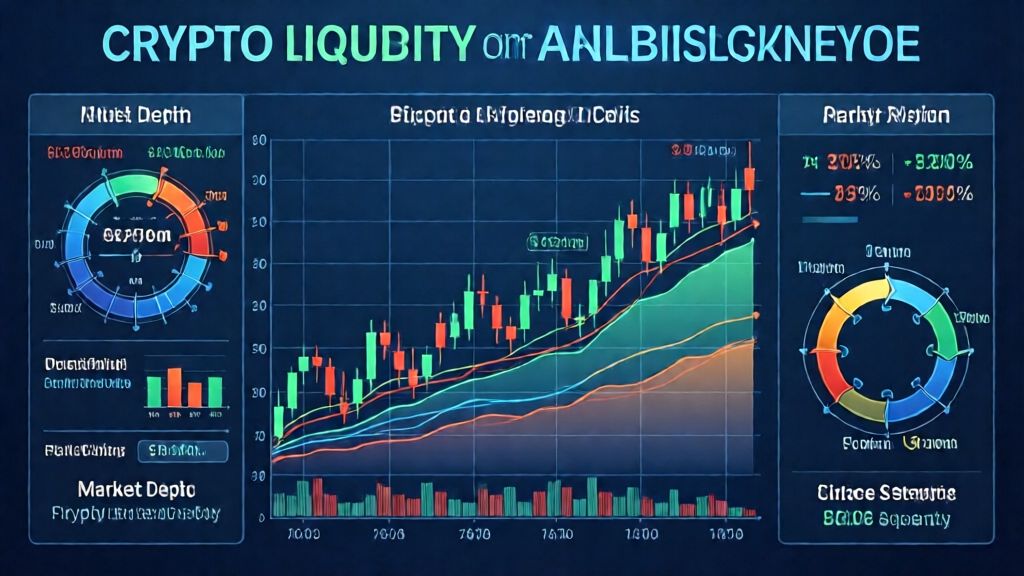
Market depth refers to the market’s ability to sustain large orders without impacting the price too much. A healthy order book, with many buy and sell orders close to the current price, indicates strong liquidity.
4. Regulatory Environment
Regulation can directly impact market participants. A clear legal framework tends to encourage more trading activity, thereby increasing liquidity. Countries such as Singapore and Switzerland, with friendly regulations towards crypto, generally exhibit higher liquidity levels.
Strategies to Improve Crypto Liquidity
Improving liquidity is a shared responsibility among exchanges, traders, and developers. Here are some strategies that can help:
1. Choosing the Right Exchange
Select an exchange known for high liquidity. Platforms like Binance and Coinbase Pro frequently top the charts. A reliable exchange often has significant daily trading volumes, thereby enhancing liquidity.
2. Market Making
Market makers play a pivotal role by continuously providing buy and sell orders. They profit from the spread between these orders, and their presence can enhance liquidity significantly. Consider automating market making strategies to optimize performance.
3. Utilizing Advanced Trading Features
Leverage features such as limit orders, which allow traders to set specific prices for buying or selling, thus helping maintain liquidity during periods of fluctuating prices. Tools like Ledger Nano X can enhance security, minimizing hacking risks and promoting trust, which can indirectly improve liquidity.
Understanding the Risks of Low Liquidity
Trading cryptocurrencies with low liquidity poses risks that every trader should be aware of:
- Increased Volatility: Low liquidity often leads to significant price swings that can result in unexpected losses.
- Difficulty Exiting Positions: Traders may find it challenging to sell an asset at the desired price, potentially forcing them to sell at a loss.
The implications of these risks cannot be overstated; for instance, lesser-known coins can fluctuate dramatically with minor trade activity.
Keeping an Eye on Market Trends
Staying updated on market trends is essential for any trader. For example, in 2023, many altcoins experienced a sharp increase in liquidity due to more diverse trading options and institutional investments. A recent analysis noted that Ethereum’s liquidity surged by 30% following Ethereum 2.0 upgrades.
Here’s a pro tip: use reliable analytics platforms to monitor trading volumes and liquidity metrics consistently. Tools like CryptoCompare and CoinMarketCap provide valuable insights into liquidity trends.
Conclusion
In conclusion, understanding crypto liquidity is essential for navigating the cryptocurrency markets effectively. By focusing on trading volume, exchange choice, and market dynamics, traders can significantly enhance their trading experiences. As the crypto landscape continues to evolve, remaining informed and adaptable is key to leveraging liquidity for trading success.
In summary, committing to liquidity strategies and staying updated with market dynamics will ensure that your trading remains profitable in the long run. The knowledge shared here is not just theory; it’s rooted in the latest market data. Embarking on this journey is what can set you apart.
Stay tuned for more insights and strategies at AllCryptoMarketNews.
Author: Dr. Emily Chen, a blockchain researcher with over 20 published papers on cryptocurrency trends, and a leading auditor for many notable projects.