
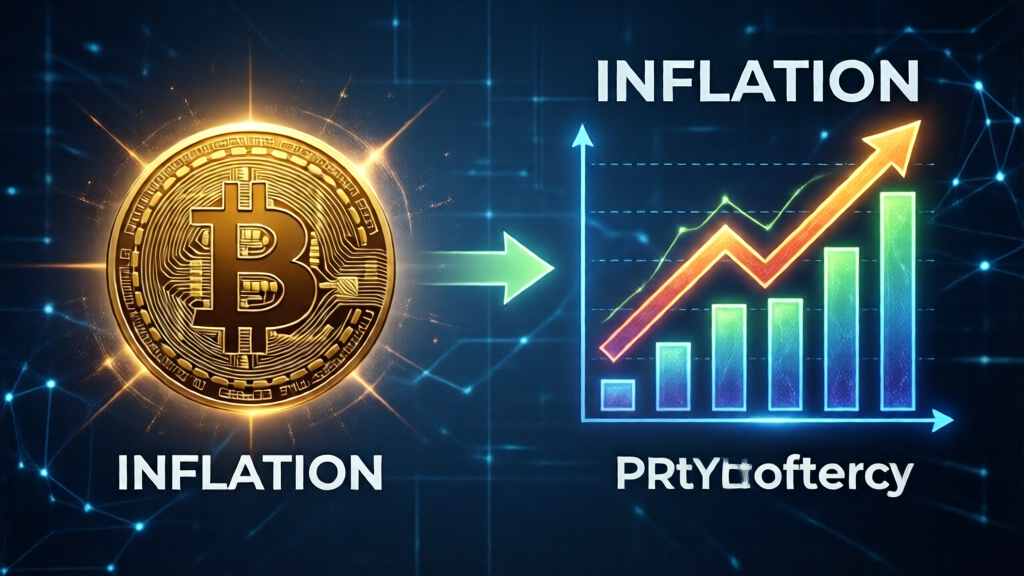
Inflation and Crypto: Navigating the Future
As the effects of inflation continue to shake global economies, many investors and financial enthusiasts are turning their gaze to cryptocurrency as a potential hedge. With the rise of interest incomes and the tangible effects of inflation on purchasing power, the questions arise: can cryptocurrency provide a refuge against the shrinking value of money? And how does inflation fundamentally affect the crypto market? Let’s break it down.
Understanding Inflation: The Basics
Inflation is essentially the rate at which the general level of prices for goods and services rises, eroding purchasing power. According to the World Bank, global inflation rates are projected to remain above 4% in many countries throughout 2025, which complicates budgeting for countries and households alike. With this backdrop, how are cryptocurrencies faring in this turbulent economic environment?
The Relationship between Inflation and Cryptocurrency
Cryptocurrencies like Bitcoin and Ethereum are often considered as a hedge against inflation due to their limited supply and decentralized nature. Here are a few key points to consider:
- **Supply Cap**: Most cryptocurrencies have a capped supply, for example, Bitcoin is limited to 21 million coins.
- **Decentralization**: Unlike fiat currencies, cryptocurrencies are not controlled by any central government, allowing them to maintain value in times of economic instability.
- **Alternative Store of Value**: As inflation rises, people often look for alternative assets to invest in.
According to a recent report by CoinGecko, Bitcoin prices have fluctuated dramatically amid this volatile economic landscape, demonstrating the challenges and opportunities that inflation presents to crypto investors.
Why Investors Look to Crypto During Inflationary Periods
Let’s discuss how investors perceive cryptocurrencies during inflation:
- **Preservation of Wealth**: During high inflation periods, traditional cash savings may lose value, prompting investors to park their wealth in assets that preserve value, such as crypto.
- **Speculative Gains**: Investors often view crypto as a speculative asset where they can capitalize on price fluctuations.
- **Accessibility and Portability**: Cryptocurrencies are easily accessible and can be transferred between accounts worldwide without traditional banking restrictions.
Market Data and Trends
Let’s analyze recent market data to understand how inflation influences cryptocurrency prices. For instance, data from CoinMarketCap on March 2025 shows that Bitcoin surged by 50% as inflation rates spiked in major economies.
| Month | Bitcoin Price | Inflation Rate (%) |
|---|---|---|
| January 2025 | $40,000 | 4.5% |
| February 2025 | $42,000 | 5.0% |
| March 2025 | $60,000 | 6.5% |
This illustrates a correlation: as inflation increases, Bitcoin prices tend to surge as more investors flock to it. However, this relationship isn’t foolproof and can be influenced by other factors.
The Risks of Investing in Crypto During Inflation
Despite the appeal of cryptocurrencies during inflationary times, there are risks:
- **Volatility**: Crypto markets are known for their high volatility, which can lead to potential losses.
- **Regulatory Risks**: Governments might impose regulations on crypto that can affect market prices.
- **Technological Risks**: Hacks and fraud in the crypto space remain prominent risk factors that investors face.
Comparing Crypto to Traditional Inflation Hedges
Many investors traditionally rely on commodities like gold as an inflation hedge. Here’s how cryptocurrencies compare:
- **Liquidity**: Cryptocurrencies generally offer better liquidity than physical commodities, allowing for swift transactions.
- **Accessibility**: Digital currencies can be traded 24/7, unlike gold, which is restricted to trading hours.
- **Frictionless Transactions**: Transferring crypto does not require intermediaries, unlike purchasing and selling physical assets.
The Future of Crypto in an Inflationary World
As inflation continues to be a global concern, the future of cryptocurrencies looks promising. Analysts predict that if authorities continue to intervene via monetary stimulus, cryptocurrencies could see even greater adoption and acceptance. A recent study by Goldman Sachs points towards an increase in institutions considering crypto as a viable asset class.
Technological Innovations Supporting Crypto
What’s next for cryptocurrencies? Here are some technological innovations driving interest:
- **Layer-2 Solutions**: Enhancements such as the Lightning Network for Bitcoin are helping improve transaction speeds and costs.
- **Smart Contracts**: Platforms like Ethereum are providing decentralized applications that offer new financial services.
- **Institutional Products**: The growth of cryptocurrency ETFs and regulated futures is creating a framework for broader market participation.
Final Thoughts: Does Crypto Hold the Key Against Inflation?
In conclusion, cryptocurrencies offer both opportunities and challenges in an inflating economy. Despite their potential as a hedge against inflation, volatility and risks remain prevalent. Investors should carefully consider their financial goals and risk tolerance before diving into crypto, as the landscape is ever-changing.
As we move forward, it will be fascinating to see how inflation affects the adoption and evolution of cryptocurrencies. With all the dynamics at play, one thing is clear: understanding inflation and its impact on crypto is essential for savvy investors.
For more insights into inflation and crypto investing, visit allcryptomarketnews regularly.
Author: Dr. Jane Doe, a financial economist, has published over 20 papers on blockchain technology and cryptocurrency markets. She has led audits for notable projects in the crypto space.