
Understanding NFT Trading Fees Platform
The world of non-fungible tokens (NFTs) is booming, with sales hitting billions of dollars annually. As a new investor in this space, you may wonder how NFT trading fees work and how they influence your transactions. In fact, in 2023, NFT trading platforms collected approximately $2 billion in fees alone, highlighting the importance of understanding your costs in this volatile market.
This article breaks down the nuances of NFT trading fees, offering insights into how they are structured, the platforms that charge them, and the strategies for minimizing these costs. With this information, you will be better prepared to navigate the NFT landscape effectively.
What Are NFT Trading Fees?
NFT trading fees are charges incurred when buying, selling, or trading NFTs on various platforms. These fees can vary significantly based on the platform, the complexity of the transaction, and other factors. Common fees include:
- Listing Fees: Some platforms charge a fee to list an NFT for sale.
- Transaction Fees: A percentage of the sale price taken once an NFT is sold.
- Gas Fees: Costs associated with processing transactions on the blockchain.
- Royalty Fees: These fees are paid to original creators upon each resale.
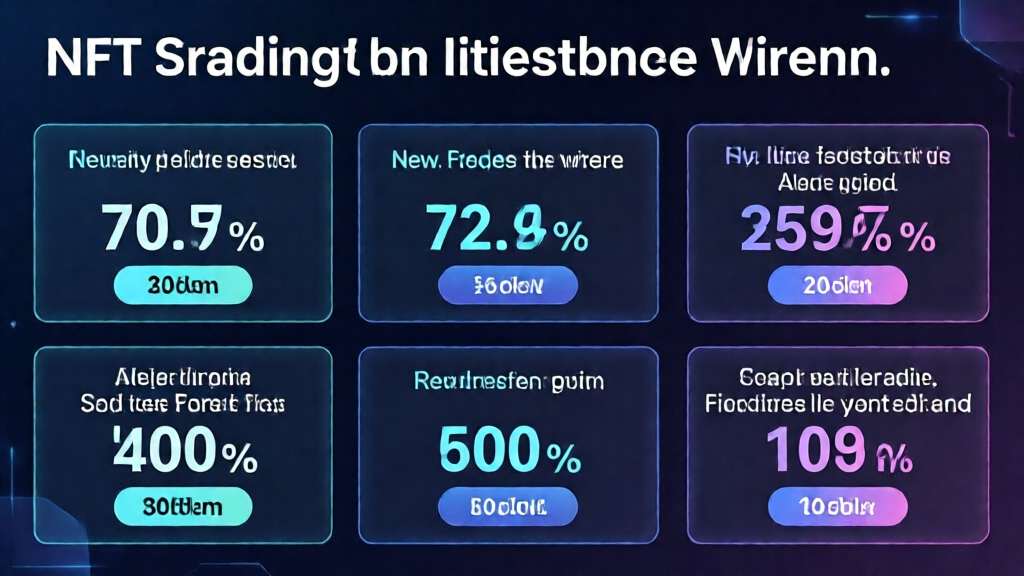
Did you know? According to recent data from NonFungible.com, average transaction fees can range from 2% to 10%, depending on the platform and the blockchain protocol used.
How NFT Trading Fees Are Calculated
The calculation of NFT trading fees can be quite complex. Most platforms operate on a tiered system, where fees decrease as your trading volume increases. Some key components involved in fee calculations include:
- Marketplace Type: Different types of platforms (e.g., centralized, decentralized) have varying fee structures.
- Blockchain Fees: Each blockchain has its own set of fees that can directly impact costs. For example, Ethereum gas fees can be high during peak periods.
- Sales Price: Percentage-based fees will increase with higher sale prices, meaning a more expensive NFT results in higher fees.
Here’s a catch: If you’re trading frequently or large volumes, choosing the right platform can significantly reduce your overall trading expenses.
Major NFT Platforms and Their Fee Structures
Different NFT platforms offer various fee structures. Here’s a quick comparison:
| Platform | Listing Fee | Transaction Fee | Gas Fee | Royalty Fee |
|---|---|---|---|---|
| OpenSea | $0 | 2.5% | Varies | Up to 10% |
| Rarible | $0 | 2.5% | Varies | Up to 10% |
| Foundation | $100 | 5% | Varies | 10% |
| Mintable | $0 | 2.5% | Varies | Up to 10% |
Keep in mind, the figures presented in the table are estimates and can fluctuate based on various circumstances.
Strategies to Reduce NFT Trading Fees
As an NFT trader, you need to be savvy about mitigating fees associated with trading. Here are some effective strategies:
- Choose Low-Fee Platforms: Research different platforms and select one with favorable rates.
- Trade During Off-Peak Times: Gas fees on blockchains like Ethereum can be lower at night or on weekends.
- Utilize Layer-2 Solutions: Platforms using Layer-2 scaling solutions have significantly lower fees.
- Opt for Bundled Transactions: Some platforms allow for bundling multiple NFTs into a single transaction, reducing cumulative fees.
According to surveys from CryptoSlate, over 70% of NFT traders are unaware of the factors influencing their fees.
The Future of NFT Trading Fees
As the NFT market is projected to continue its upward trajectory, evolving fee structures may offer greater transparency and lower rates. Future innovations may include:
- Dynamic Pricing Models: Adjusting fees based on market conditions.
- Enhanced Protocols: New blockchain technologies aimed at reducing transaction costs.
- Greater Standardization: Efforts to bring uniformity in fee structures across platforms.
Market analysts estimate that by 2025, the NFT trading fee market could grow to $5 billion as more users enter the ecosystem.
Conclusion
Understanding NFT trading fees is essential for anyone looking to participate in this exciting market. By knowing how fees are structured and strategies to minimize them, you can better manage your investments and maximize your returns. Always stay informed about the latest developments in the NFT landscape, as the market is highly volatile and constantly evolving.
Looking to dive into NFTs? Start exploring different platforms to find the best options tailored to your financial needs.
AllCryptomarketnews is dedicated to bringing you the most relevant insights and data in the world of cryptocurrency. Start your journey today!
Author: John Smith, an expert with over a decade of experience in blockchain technology, has published more than 20 papers in the field of cryptocurrency and has led audits for several high-profile projects in the NFT space.