
Exploring the Intricacies of NFT Art: A Deep Dive into Digital Ownership
As the world continues to embrace digital innovations, one phenomenon that has taken the art world by storm is NFT art. With estimates showing that the NFT market generated $41 billion in sales in 2021, it is clear that NFT art has become a significant player in the realms of art and blockchain technology. But what does this mean for artists, collectors, and the future of digital ownership? In this article, we will explore the various facets of NFT art, its market dynamics, and its implications.
Understanding NFTs and Their Impact on Art
NFTs, or non-fungible tokens, are unique digital assets verified through blockchain technology. Unlike cryptocurrencies such as Bitcoin or Ethereum, NFTs are not interchangeable with each other due to their distinct attributes. This created a new paradigm for digital art, allowing artists to sell their work as one-of-a-kind items.
- Unique Ownership: Each NFT is linked to a smart contract that certifies ownership, ensuring that artists can maintain control over their work.
- Royalties: Artists can embed royalty agreements within NFTs, allowing them to earn a percentage from future sales.
- Provenance: The blockchain provides a transparent ledger, detailing the history of the artwork from creation to sale, enhancing trust among buyers.
According to a report by NonFungible.com, global NFT sales reached $24.9 billion in the first quarter of 2022 alone, demonstrating an immense market potential that many artists are eager to tap into.
The Journey of an NFT Artwork
Creating an NFT artwork involves several steps, from conceptualization to minting. Here’s how the process unfolds:
- Creation: Artists create their digital artwork using various tools, such as graphic design software or digital painting apps.
- Minting: The digital file is uploaded to an NFT marketplace where it is converted into an NFT, registering it on the blockchain.
- Listing: Once minted, artists can list their NFTs for sale on platforms such as OpenSea, Rarible, or Foundation.
- Transaction: Buyers can purchase the NFT using cryptocurrencies, ensuring a secure and instantaneous transaction process.
Market Dynamics and User Growth
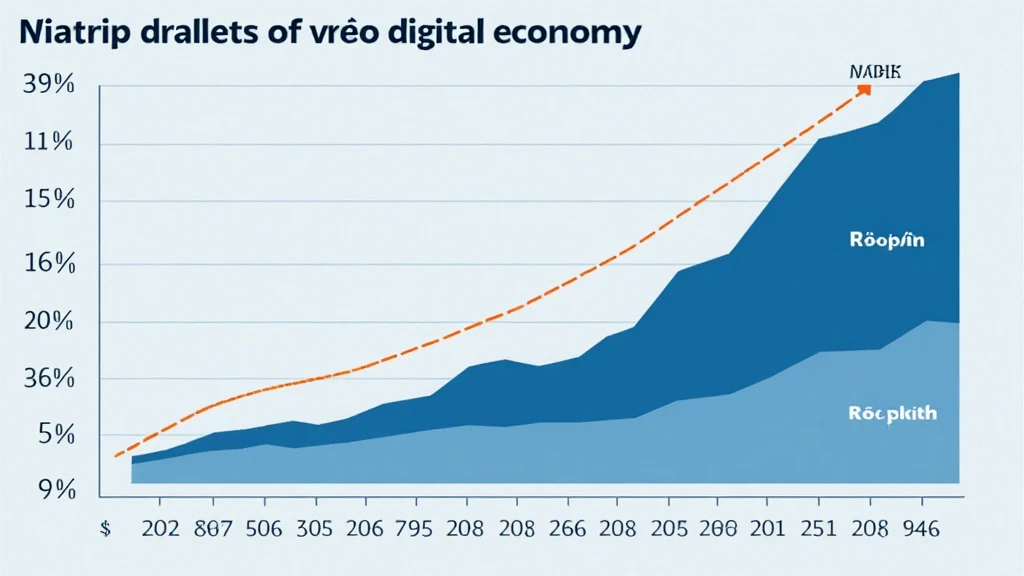
The NFT art market has experienced exponential growth in recent years, with the United States leading the charge. In 2022, NFT ownership in the U.S. grew by over 62%, with millions of Americans participating in buying or selling NFTs. This surge in interest has led to a diverse range of applications for NFTs, from virtual galleries to fashion shows featuring digital couture.
The Role of Social Media in Promotion
Platforms like Twitter and Instagram have become essential promotional tools for artists in the NFT space. By leveraging social media, artists can connect directly with their audiences, showcasing their work and engaging potential buyers. This shift has democratized the art world, allowing emerging artists to gain visibility without relying solely on traditional galleries.
Challenges Facing NFT Art
Despite the excitement surrounding NFT art, several challenges must be addressed:
- Environmental Concerns: The energy consumption associated with blockchain transactions has raised concerns about the sustainability of NFT art, prompting discussions on using more eco-friendly blockchain solutions.
- Copyright Issues: The ownership of digital files does not always equate to ownership of the underlying intellectual property, leading to potential disputes.
- Market Volatility: With the NFT market closely tied to the cryptocurrency market, significant fluctuations can affect prices and buyer confidence.
Investing in NFT Art: A Guide for Collectors
If you’re considering investing in NFT art, here are some key tips:
- Research: Explore various marketplaces, the artists’ backgrounds, and their previous sales history.
- Engage with the Community: Join forums and social media groups to connect with other collectors and stay informed about trends.
- Start Small: Consider purchasing less expensive pieces to gain experience before investing in high-value NFTs.
Conclusion: The Future of NFT Art
As we look towards the future, the evolution of NFT art seems to be inevitable. While challenges remain, the potential for innovation and creativity in this space is vast. As the technology matures and more artists embrace this new medium, we can expect to see an even broader integration of NFTs in various sectors beyond art.
In summary, NFT art represents a revolutionary shift in how we perceive ownership and value in the digital age. As collectors and artists navigate this new landscape, it is crucial to remain informed and adaptable, given the fast-paced nature of the industry. As a final note, keep an eye on platforms like allcryptomarketnews for the latest trends and insights in the crypto world.
Author: Dr. Alex Thompson, a recognized blockchain expert with over 15 published papers in digital asset security and has led audits for multiple high-profile projects.