
Introduction
As of late 2023, the cryptocurrency landscape continues to mature, showcasing a dynamic ecosystem characterized by Bitcoin’s dominance and the vibrant altcoin market. The altcoin market cap, which refers to the collective market capitalization of all cryptocurrencies excluding Bitcoin, has peaked at impressive levels, sparking discussions among investors, analysts, and enthusiasts alike.
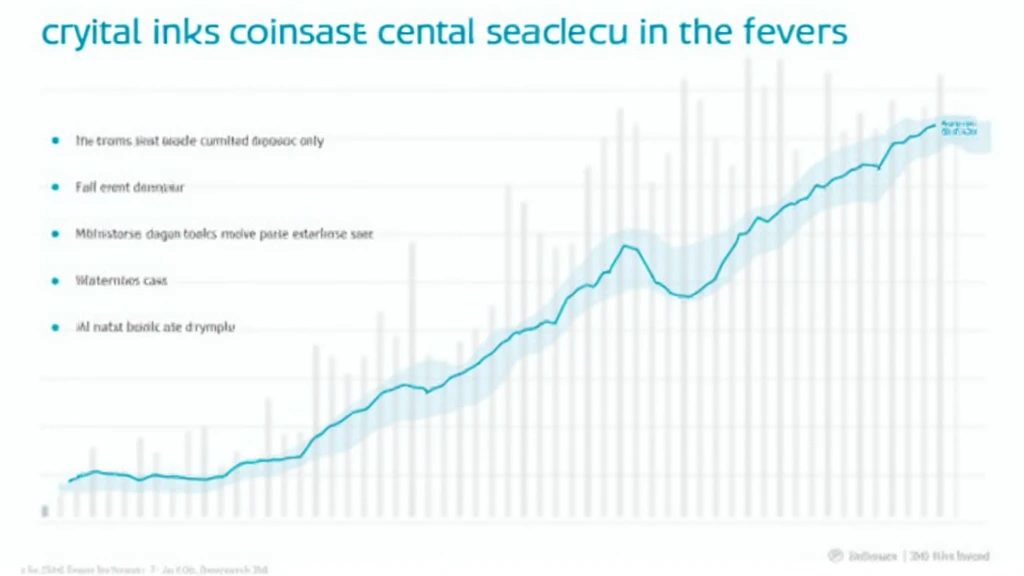
According to recent data from CoinMarketCap, altcoins now account for nearly 45% of the total cryptocurrency market cap, which reached over $2 trillion earlier this year. This staggering figure underscores the growing influence and diversity of altcoins in the overall market. As we navigate this article, we aim to provide valuable insights into the altcoin market cap, its significance, and what it means for investors.
What is Altcoin Market Cap?
The term altcoin market cap refers to the total market capitalization of alternative cryptocurrencies, which includes thousands of coins and tokens. To calculate the market cap of an altcoin, simply multiply the current price of the coin by its circulating supply. For example, if an altcoin is priced at $10 and has a supply of 1 million coins, its market cap would be $10 million.
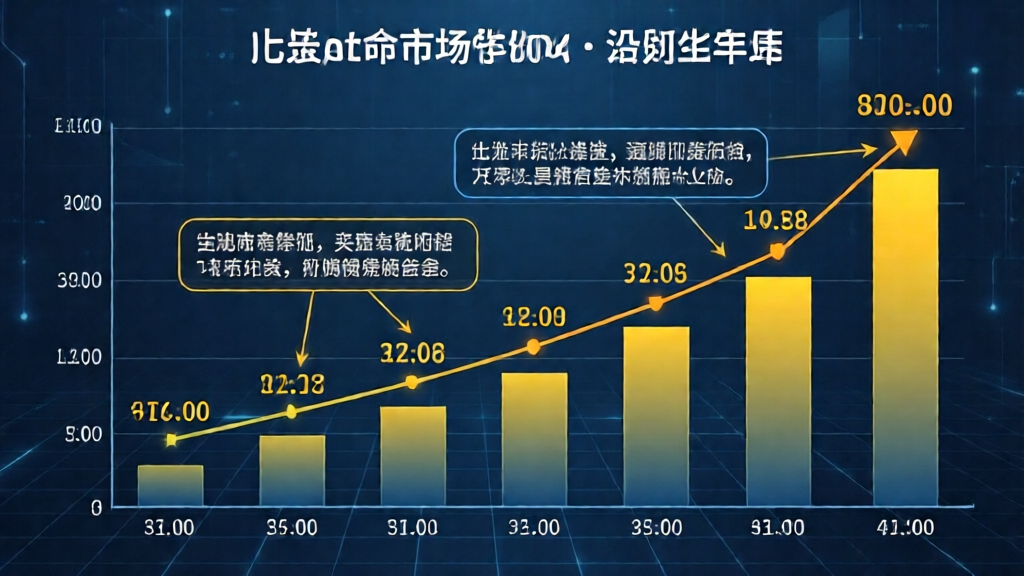
- Market Cap Formula: Market Cap = Current Price x Circulating Supply
- Example: A coin priced at $25 with a supply of 500,000 would have a market cap of $12.5 million.
The Growing Importance of Altcoin Market Cap
The increasing share of altcoins in the total cryptocurrency market reflects a broader diversification trend among investors. As new projects emerge, understanding their market cap becomes crucial for making informed investment decisions. Here are some key reasons why the altcoin market cap remains significant:
- Investment Opportunities: A higher market cap often indicates a more stable coin with a larger community and adoption. Investors typically look for altcoins with substantial market caps as they may indicate a lower risk of volatility.
- Market Trends: Tracking changes in the altcoin market cap can reflect shifts in investor sentiment and highlight emerging trends in technology and innovation within the blockchain space.
- Diversity of Options: With thousands of altcoins available, market cap serves as a filter for investors to identify options that fit various investment strategies.
Recent Trends in Altcoin Market Cap
Analyzing recent trends in the altcoin market cap can provide insights into future performance. Let’s break it down by examining three key trends:
1. Dominance of Layer 1 and Layer 2 Solutions
Layer 1 blockchains, such as Ethereum and Binance Smart Chain, have showcased remarkable growth, leading to a significant rise in their market caps. Additionally, Layer 2 solutions like Polygon have also gained traction, as they offer enhanced scalability and lower transaction costs.
2. The Rise of DeFi and NFTs
Decentralized Finance (DeFi) platforms and Non-Fungible Tokens (NFTs) have surged in popularity, contributing to the altcoin market’s expansion. Projects like Uniswap and OpenSea have entered mainstream discussions, resulting in considerable market cap increases for affiliated tokens.
3. Emerging Market Trends in 2024
As we look toward 2024, several trends are poised to impact the altcoin market cap:
- Increased Regulation: With growing scrutiny, regulatory frameworks may emerge, shaping investment strategies in altcoins.
- Institutional Adoption: As more institutional players enter the crypto space, the altcoin market cap could experience substantial growth.
- Technical Innovations: New technological advancements may lead to the creation of novel cryptocurrencies, further diversifying the altcoin landscape.
Navigating Altcoin Investments
Investing in altcoins can be both exciting and risky. Here’s a structured approach to consider:
- Do Your Research: Analyze the fundamentals of each altcoin before investing. Look for whitepapers, community engagement, and use cases to gauge potential.
- Portfolio Diversification: Spread your investments across multiple altcoins to mitigate risk. Avoid putting all your funds into a single asset.
– Example portfolio: 50% Bitcoin, 30% Ethereum, 20% promising altcoins. - Set Clear Objectives: Establish your investment goals ahead of time, whether for long-term growth or short-term gains.
- Utilize Reliable Tools: Tools like CoinGecko and CryptoCompare can provide real-time data and analytics for informed decision-making.
Conclusion
The altcoin market cap plays a crucial role in understanding the cryptocurrency ecosystem. As the market matures, it offers a plethora of opportunities and challenges for investors. Keeping an eye on market trends, conducting thorough research, and implementing sound investment strategies are vital for navigating the altcoin landscape.
In essence, whether you’re a seasoned trader or a newcomer, understanding the altcoin market cap is key to unlocking your investment potential in this exciting digital terrain.
For more on cryptocurrency trends and insights, remember to visit AllCryptoMarketNews.
About the Author
Dr. Emily Carter is a blockchain technology expert and financial analyst with over 15 years of experience in the cryptocurrency sector. She has authored over 30 papers on blockchain innovations and has led audits for renowned crypto projects. Her insights are widely regarded in the cryptocurrency community.