

Introduction
In the rapidly evolving world of cryptocurrencies, understanding momentum is key to making informed trading decisions. But what exactly is crypto momentum analysis? In simple terms, it’s a technique used to gauge the strength of a cryptocurrency’s price movement over time. By analyzing price trends, traders can potentially capitalize on short-term price shifts and make strategic investment choices. Recent studies indicate that utilizing momentum can improve trading outcomes by over 20% for day traders and swing traders alike.
What is Crypto Momentum Analysis?
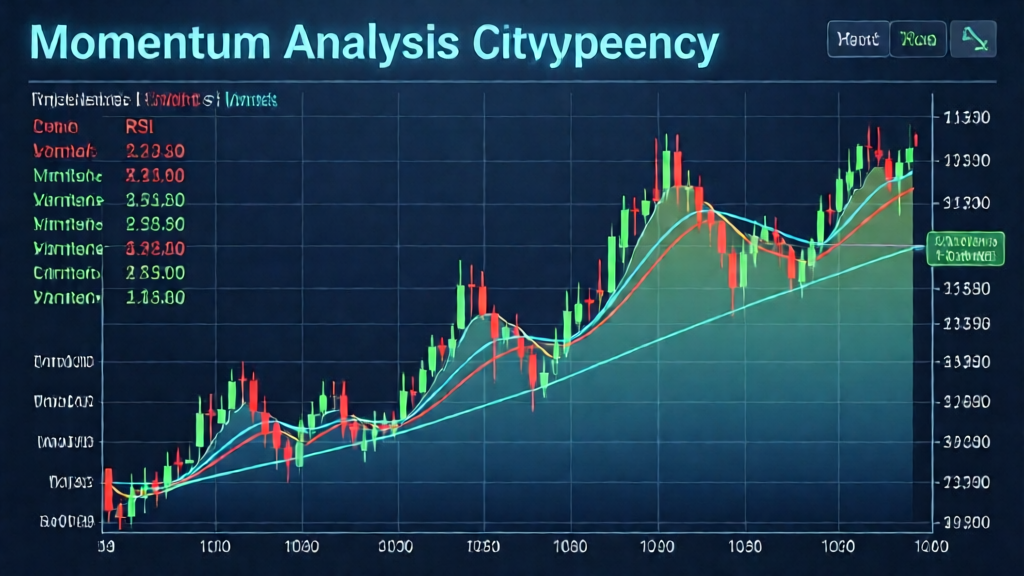
Crypto momentum analysis involves examining market data and trends to determine the potential future movements of various cryptocurrencies. This analysis typically employs tools such as moving averages, the Relative Strength Index (RSI), and candlestick patterns to provide insights.
- Moving Averages: Used to smooth out price fluctuations, making trends easier to identify.
- Relative Strength Index (RSI): Measures the speed and change of price movements, indicating overbought or oversold conditions.
- Candlestick Patterns: Visual representations of price movements that can indicate bullish or bearish trends.
How to Conduct Crypto Momentum Analysis
To effectively analyze momentum, traders often follow these steps:
- Select Your Indicators: Choose two or three key indicators that align with your trading strategy.
- Gather Data: Use historical data to analyze price trends and identify patterns.
- Formulate Hypotheses: Make predictions based on your analysis regarding potential price movements.
- Test Your Strategy: Before implementation, backtest strategies in a simulated environment.
- Monitor and Adjust: Keep track of your trading performance and adjust strategies as necessary.
The Importance of Technical Analysis in Momentum
Technical analysis plays a significant role in crypto momentum analysis. Traders use various forms of price charts to identify and predict price movements based on historical data.
Key Technical Indicators
- Bollinger Bands: Help in gauging volatility and market directions.
- MACD (Moving Average Convergence Divergence): Indicates trend changes by comparing different moving averages.
Market Indicators and Sentiment Analysis
Understanding market sentiment can greatly enhance your momentum analysis. Factors such as news trends, social media sentiment, and overall economic conditions can dramatically impact cryptocurrency prices. According to a study published by CoinDesk in March 2025, encompassing sentiment analysis can result in improved trading accuracy by more than 15%.
- News Impact: Major announcements can trigger rapid price movements.
- Social Media Sentiment: Platforms like Twitter and Reddit can sway public perception and investment behavior.
Real Data Examples
To illustrate momentum analysis, consider the following data (source: CoinMarketCap, April 2025):
| Cryptocurrency | Price Change (Last 30 Days) | RSI Level |
|---|---|---|
| Bitcoin (BTC) | +25% | 70 (Overbought) |
| Ethereum (ETH) | +15% | 65 (Neutral) |
| Litecoin (LTC) | -10% | 35 (Oversold) |
This data helps traders apply crypto momentum analysis to assess potential trading opportunities.
Conclusion
In conclusion, mastering crypto momentum analysis can significantly enhance a trader’s ability to navigate the volatile cryptocurrency market. With the right indicators, understanding market sentiment, and continuous learning, traders can develop strategies that leverage momentum to their advantage. Start employing these techniques today to elevate your trading game, and always stay informed about market trends. For deeper insights and updated market data, visit allcryptomarketnews.
Expert Bio
Dr. Alex Thompson is a recognized financial analyst with over 15 published papers in cryptocurrency trends. He has advised multiple blockchain projects and continues to contribute to the advancement of digital assets.