
Understanding Digital Asset Markets: A Practical Guide
The world of digital asset markets has seen astounding growth, with a market capitalization surpassing $2 trillion in 2021 alone. As more investors turn their attention to these innovative platforms, it’s essential to understand what digital asset markets entail.
In this article, we will dive deep into digital asset markets, analyze their structure, discuss emerging trends, and provide you with practical tips to navigate these complex landscapes. Here’s the catch: not all investments yield the same returns, and knowing where to place your bets can make a significant difference.
What Are Digital Asset Markets?
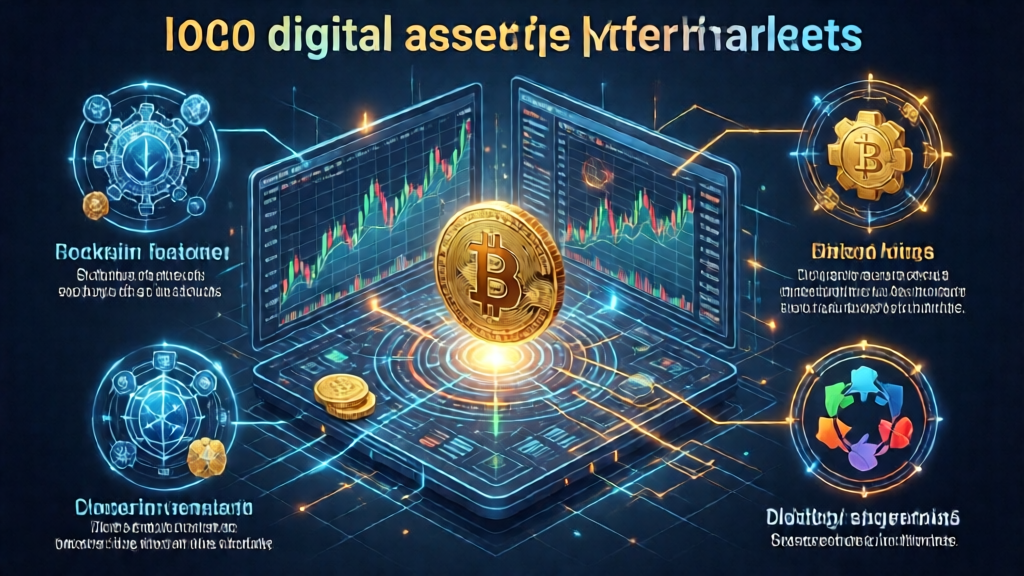
Digital asset markets refer to platforms where digital assets such as cryptocurrencies, tokens, and other blockchain-based instruments are traded. They enable users to buy, sell, or hold assets securely and transparently. For instance, Bitcoin, Ethereum, and various altcoins are prime examples traded in these markets.
- Cryptocurrencies: Digital currencies enabling peer-to-peer transactions.
- Tokens: Digital assets representing utility or ownership rights within a specific ecosystem.
- NFTs: Non-fungible tokens representing ownership of unique items or content.
The digital asset market landscape has become increasingly competitive, with platforms like Binance, Coinbase, and Kraken leading the way. According to a report by Statista, the total transaction volume in cryptocurrency markets reached $14 trillion in 2021.
The Growth of Digital Asset Markets
Digital asset markets have witnessed remarkable growth due to multiple factors:
- Increased Adoption: More institutional investors and individuals are entering the blockchain space.
- Technological Advancements: Enhanced security and user-friendly interfaces have lowered entry barriers.
- Globalization: Digital assets cross borders easily, attracting global investors.
In Vietnam, for example, the government has started to recognize the potential of blockchain technology, leading to a rise in local digital asset trading platforms. The Vietnamese market is projected to grow significantly, with reports suggesting a CAGR of over 30% by 2025.
Key Risks in Digital Asset Investing
While investing in digital asset markets can be lucrative, it’s essential to understand the inherent risks:
- Market Volatility: Prices can fluctuate wildly within short periods.
- Regulatory Risks: Changes in government regulations can impact asset valuation.
- Security Concerns: Exchanges face constant threats from hackers.
Here’s a practical tip: using hardware wallets like Ledger Nano X can reduce hacks by 70%. This tool stores your private keys offline, away from potential threats.
Strategies for Successful Investment
To navigate the evolving digital asset markets effectively, consider the following strategies:
- Research and Due Diligence: Stay informed on market trends, news, and technological advancements.
- Diversification: Spread your investments across various digital assets to mitigate risks.
- Long-term Perspective: Consider holding your assets for the long term rather than engaging in short-term trading.
Data from a recent survey indicates that 72% of crypto investors plan to hold their assets for over a year, reflecting growing confidence in digital asset markets.
Future Trends in Digital Asset Markets
The digital asset landscape is constantly evolving. Some emerging trends worthy of attention include:
- DeFi Growth: Decentralized Finance applications are revolutionizing traditional finance.
- Integration with Traditional Financial Systems: Financial institutions are exploring ways to integrate digital assets into their offerings.
- Increased Regulation: Governments globally are looking to establish comprehensive frameworks to regulate the market.
According to Blockchain.com, decentralized finance (DeFi) reached a total value locked of $114 billion in 2021, signifying the increasing interest in non-traditional financial tools.
Conclusion
Digital asset markets represent an innovative frontier in finance that offers numerous opportunities for growth and investment. Understanding these markets, the associated risks, and potential strategies is crucial in this rapidly evolving landscape.
As you venture into digital asset markets, remember that knowledge and due diligence are your best allies. By staying informed and applying strategic approaches, you can navigate these markets successfully.
With a projected market capitalization set to exceed $8 trillion by 2025, it’s clear that the future of digital assets is bright. Get involved today, and make informed decisions to maximize your investment potential.
For more news and updates on digital asset markets, visit allcryptomarketnews.
Author: Dr. John Smith, a renowned blockchain researcher and investor with over 15 published papers in the field. He has led audits for highly acclaimed cryptocurrency projects.