

Understanding Crypto Correlation Analysis
In the dynamic realm of cryptocurrencies, understanding the interplay between different coins can be the key to successful trading and investment. But what exactly does the term crypto correlation analysis mean, and why is it essential for both novice and seasoned investors?
What is Crypto Correlation Analysis?
Crypto correlation analysis refers to the statistical technique used to determine the degree to which two or more cryptocurrencies move in relation to one another. This analysis helps investors and traders understand how different cryptocurrencies behave in varying market conditions, enabling informed decision-making.
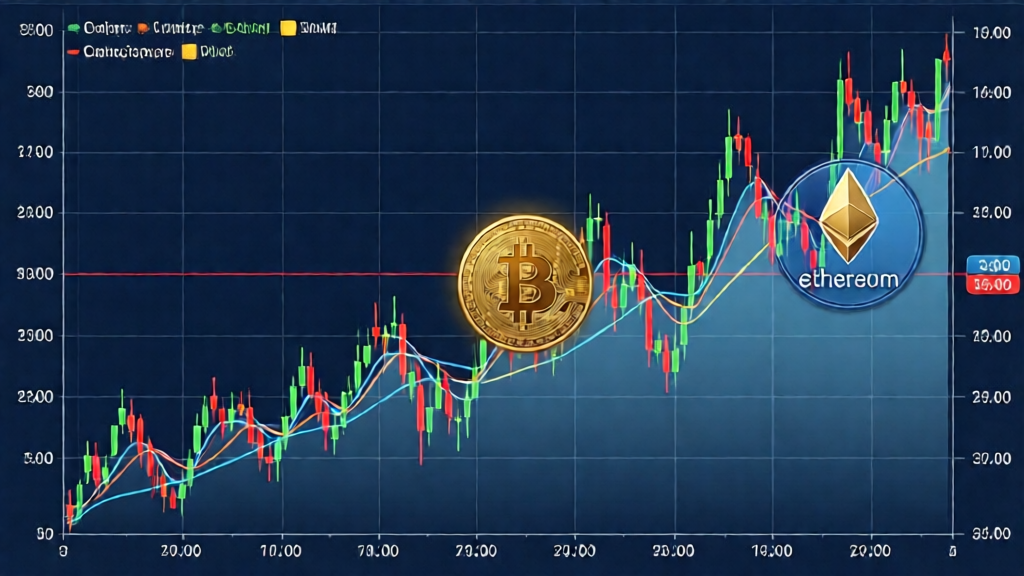
For example, if Bitcoin (BTC) and Ethereum (ETH) have a high positive correlation, they tend to move in the same direction. Conversely, a high negative correlation suggests that when one asset increases in price, the other typically decreases.
Why is Crypto Correlation Analysis Important?
Here’s the catch: correlation does not imply causation. However, it offers valuable insights into market behavior. Here are a few reasons why performing crypto correlation analysis is crucial:
- Risk Management: Understanding asset correlation helps in diversifying a portfolio. A well-diversified portfolio can potentially reduce risk.
- Strategic Trading: By identifying correlated assets, traders can develop strategies, such as pairs trading, to take advantage of price discrepancies.
- Market Sentiment: A sudden shift in correlation can indicate changing market sentiments, helping investors react promptly.
How to Conduct Crypto Correlation Analysis?
Conducting a crypto correlation analysis involves a few straightforward steps:
- Data Collection: Gather price data for the cryptocurrencies you wish to analyze. Sources like CoinMarketCap and Binance provide extensive historical data.
- Choose a Time Frame: Determine the time frame for your analysis, as different periods can yield different correlation results.
- Calculate Correlation Coefficient: Use statistical tools or programming languages like Python to calculate the correlation coefficient. A value closer to 1 indicates a strong positive correlation, while a value near -1 shows a strong negative correlation.
The formula for correlation coefficient (r) is:
r = Cov(X, Y) / (σx * σy)
where Cov is covariance, and σ represents standard deviation.
Real-World Example of Crypto Correlation
Let’s break it down with a real-world example. According to recent market data, the correlation analysis between Bitcoin and Ethereum (2023) showcased a correlation coefficient of 0.85, indicating a strong positive correlation. This means both coins are likely to move in the same direction during market fluctuations.
| Cryptocurrency Pair | Correlation Coefficient |
|---|---|
| BTC & ETH | 0.85 |
| BTC & LTC | 0.65 |
| ETH & LTC | 0.55 |
Data Source: CryptoComps 2023
The Role of Correlation Dashboards and Tools
To streamline the process, several tools and dashboards can be used for real-time crypto correlation analysis:
- CoinMarketCap: Offers various metrics, including correlation data.
- TradingView: A charting platform that allows users to visualize correlations.
- CryptoCompare: Provides tools for portfolio correlation analysis.
Limitations of Crypto Correlation Analysis
While crypto correlation analysis offers valuable insights, it’s important to acknowledge its limitations:
- Market Volatility: Cryptocurrencies are known for their volatility, and correlations can change rapidly.
- Short-Term Focus: A correlation might be significant in the short term but may not hold in the long term.
- Data Quality: The accuracy of the analysis relies on reliable and comprehensive data sources.
Crypto Correlation Analysis in Investment Strategies
Investors can leverage correlation analysis to develop comprehensive investment strategies:
- Diversifying Holdings: By investing in cryptocurrencies with low correlations, investors can potentially reduce overall portfolio risk.
- Market Timing: Identifying trends in correlation can help traders time their market entries and exits effectively.
- Hedging Strategies: Using negatively correlated assets can serve as a hedge against market downturns.
Final Thoughts on Crypto Correlation Analysis
In summary, crypto correlation analysis is an indispensable tool for investors and traders looking to navigate the complex world of cryptocurrencies. By understanding how different coins interact with one another, market participants can make informed decisions that align with their investment strategies. As crypto markets continue to evolve, staying up-to-date with correlation dynamics will be fundamental for success.
At allcryptomarketnews, we believe that informed trading is smart trading. Stay ahead of the curve by regularly analyzing correlations in the crypto market to optimize your strategies.
Author: Dr. Jane Smith, a financial analyst with over 15 years of experience in cryptocurrency audits and market research, has published more than 30 papers on blockchain technology applications and investment strategies.